


Canada’s economy is showing troubling signs of strain, with new data from Statistics Canada indicating a sharper-than-expected slowdown — a trend economists are largely attributing to the ongoing trade war with the United States.
Gross domestic product (GDP), the key measure of economic output, declined at an annualized rate of 1.6% in the most recent quarter, and dropped 0.4% from the previous three-month period. That earlier quarter had seen a temporary boost as exporters rushed to ship goods before U.S. tariffs took effect.
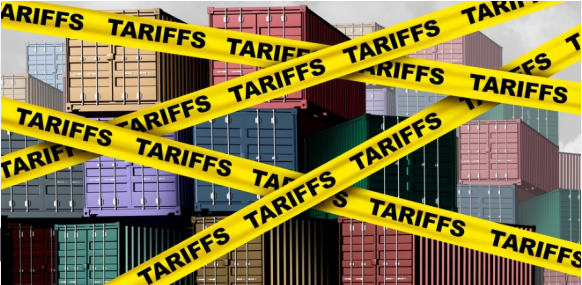
Investment by businesses also declined significantly, particularly in machinery and equipment, which fell by 9.4% in the second quarter.
Also Read: Safe investments for new investors
“This is not a good picture for Canada,” said Pedro Antunes, chief economist at the Conference Board of Canada, in an interview with CTVNews.ca. “Business confidence remains at rock-bottom, and that’s hurting private investment — a critical driver of future growth, employment, and productivity.”
Also Read: Beginner-friendly Canadian stocks 2025
Canada in “Recession Territory”
Although Canada experienced economic growth in the previous quarter and hasn’t met the technical definition of a recession — typically defined as two consecutive quarters of economic contraction — Antunes warns the country is now in what he calls “recession territory.” That means economic conditions are deteriorating, even if the formal label hasn’t yet been applied.
A recession, if it materializes, could mean more layoffs, higher unemployment, and weaker consumer and business activity.
Meanwhile, trade tensions with the U.S. continue to weigh on the economic outlook. Canada and the U.S. are currently negotiating an end to the tariff dispute, while uncertainty surrounding the upcoming 2026 review of the Canada-U.S.-Mexico Agreement (CUSMA) is further dampening investment prospects.
Canadian Households Feeling the Pinch
Canadian consumers are also under pressure. The household saving rate slipped to 5% in the second quarter, down from 6% in the first. While household spending rose by 1.2%, income growth remained relatively weak, according to Statistics Canada.
The Bank of Canada held its benchmark interest rate steady at 2.75% during the quarter, which resulted in a modest 0.1% rise in household interest payments.
In summary, the combination of falling GDP, declining business investment, trade uncertainty, and weakening household finances paints a concerning picture — one that increasingly resembles the early stages of a recession.
Sign Up For our Newsletters to get latest updates