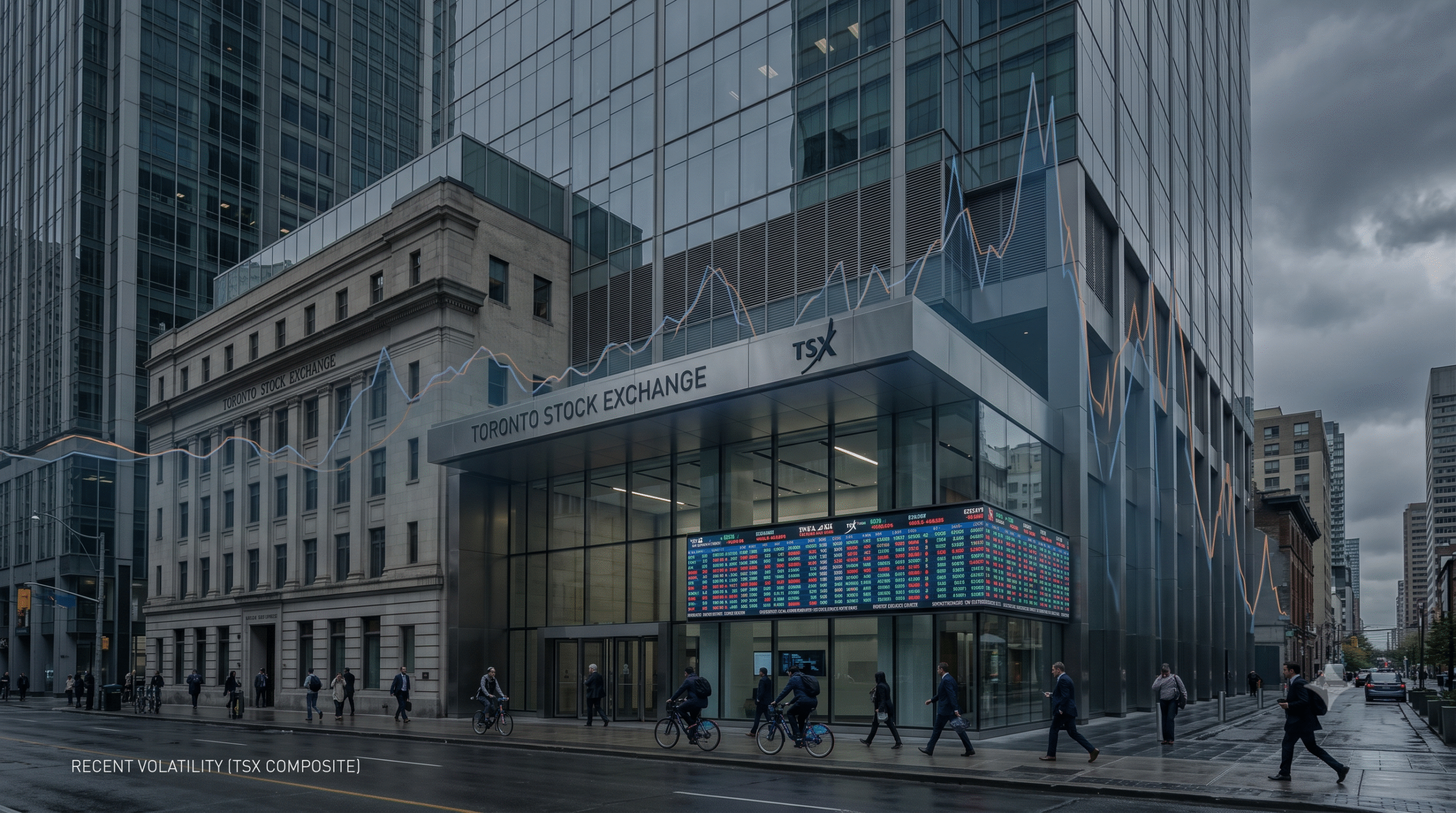


Oil markets experienced a notable price increase after the United States government ordered a blockade on certain fuel shipments, a move that has disrupted logistics and tightened supply expectations. The decision led traders to reassess near-term availability of crude and refined products, pushing benchmark prices higher as uncertainty spread through energy markets. This development highlights how geopolitical decisions can quickly influence commodity trading dynamics, especially in a global environment already sensitive to supply risks.

Market participants interpreted the blockade as a potential constraint on outgoing fuel flows, which could reduce the volume of available barrels in key trading hubs. When supplies are perceived to be tighter, even temporarily, buyers tend to bid up prices to secure contracts, and speculative activity can further amplify upward pressure. As a result, oil futures climbed in response to the announcement, signaling that traders are pricing in a tighter supply outlook for the near term.
The blockade affects not only physical shipments but also market sentiment. Uncertainty about how long the policy will remain in place and how it might evolve led investors to increase long positions on the assumption that restricted flows will support stronger pricing. Commodities markets often react to policy shifts with heightened volatility, particularly when the changes are sudden or affect major suppliers or consumers.
Also Read: Best long term Canadian stocks
Additionally, the move has implications for global energy trading patterns. Nations and companies that rely on U.S. imports of refined fuel may need to adjust their sourcing strategies, potentially turning to alternative suppliers if access to U.S. shipments is constrained. This could shift regional trading flows and impact freight and logistics costs, with knock-on effects for energy pricing worldwide.
Some analysts caution that the blockade’s direct impact on physical supply might be limited if it proves temporary or if alternative supply routes are quickly established. However, in a market environment where inventories have been relatively tight and geopolitical concerns remain prevalent, even short-lived disruptions can create outsized price reactions.
Also Read: Dividend paying stocks Canada
For consumers, higher oil prices can eventually translate into increased gasoline and diesel costs at the pump, though this typically occurs with a lag. Energy firms and policymakers will be watching closely to see whether the blockade is expanded, eased, or replaced with new measures that could further influence supply and pricing dynamics.
In summary, the U.S. directive to block certain fuel shipments has spurred a rally in oil prices driven by supply concerns and market sentiment, underscoring the sensitivity of energy markets to policy and geopolitical developments.
Sign Up For our Newsletters to get latest updates