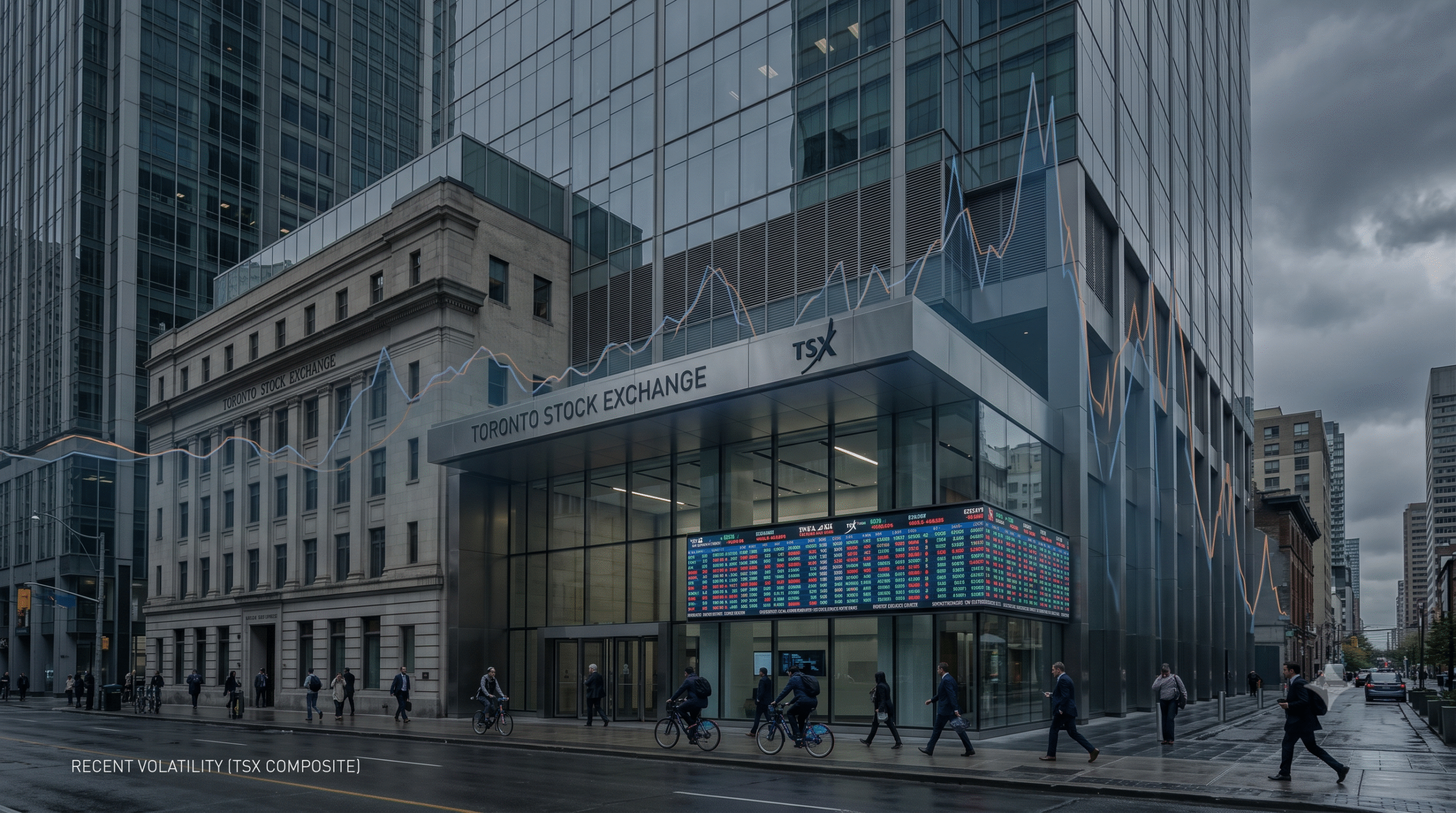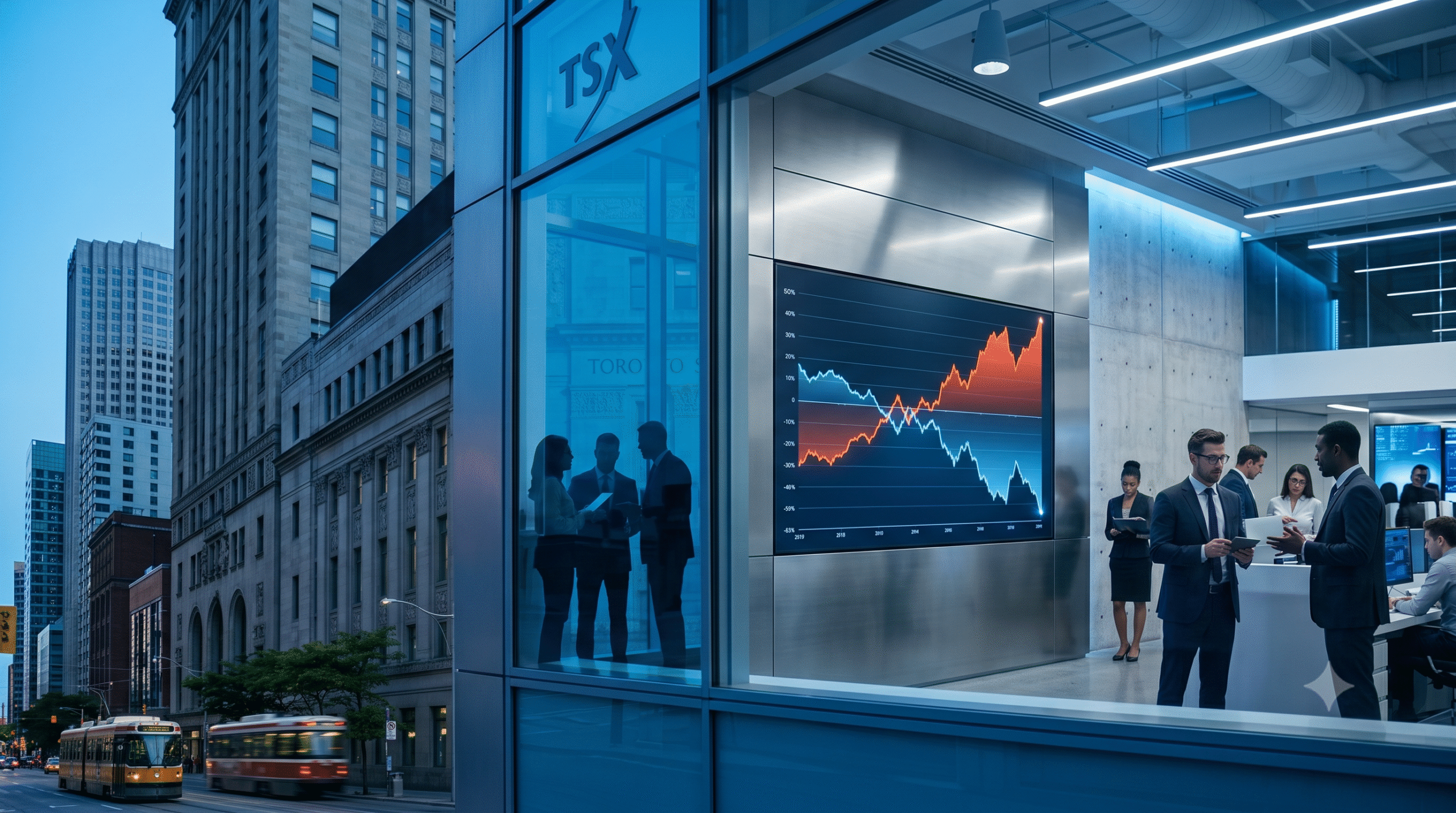


Some investors are growing concerned that financial markets — particularly in technology and high-growth sectors — may be showing signs of a bubble-like environment, similar in some respects to past market excesses when valuations got stretched far beyond fundamentals. This has led to increasing debate among economists and investment professionals about how to survive a potential downturn if markets do eventually correct sharply.

One of the core worries centers on the pricing of certain assets relative to earnings, revenue, and traditional valuation measures. When stock prices are driven more by speculation and “fear of missing out” rather than underlying business performance, risk levels can rise. This was evident in the late stages of the dot-com bubble, when technology shares soared even as many companies failed to generate profits. Today’s market shows some echoes of that dynamic, particularly in segments where investor enthusiasm has run ahead of earnings reality.
Market strategists caution that timing a market peak is extremely difficult, even for experienced professionals. Instead of trying to pinpoint the exact top, they advise focusing on risk management and diversification. That means spreading capital across uncorrelated assets — such as stocks, bonds, precious metals, and defensive sectors — so that the portfolio is less vulnerable if a particular asset class falls out of favor. Evidence from past cycles shows that diversification helps reduce overall volatility and preserve capital during downturns.
Another key principle for surviving a potential bubble is maintaining adequate liquidity and an emergency reserve. Investors who are fully invested with no cash buffer may be forced to sell at inopportune times to meet expenses or rebalance their portfolios. Having a portion of capital in liquid, low-volatility holdings can provide flexibility during turbulent shifts and prevent panic selling when markets wobble.
Also Read: Best long term Canadian stocks
Long-term investors may also benefit from focusing on fundamental strength rather than short-term price action. Companies with strong balance sheets, consistent earnings growth, and durable competitive advantages historically weather corrections better than speculative names. A disciplined approach that emphasizes quality over hype can help protect portfolios from severe downturns.
Lastly, emotional discipline is crucial. Investors who react impulsively to headlines often lock in losses by selling at the worst possible time. Keeping a well-defined investment plan, regularly reviewing risk tolerance, and resisting the urge to chase the latest hot sectors can improve outcomes over market cycles.
Also Read: Safe investments for new investors
In summary, while concerns about market excesses rise, the focus for most investors should remain on diversification, liquidity, quality holdings, and emotional discipline. These foundational strategies help ensure portfolios are positioned to endure volatility, regardless of whether a full-scale bubble burst occurs.
Sign Up For our Newsletters to get latest updates