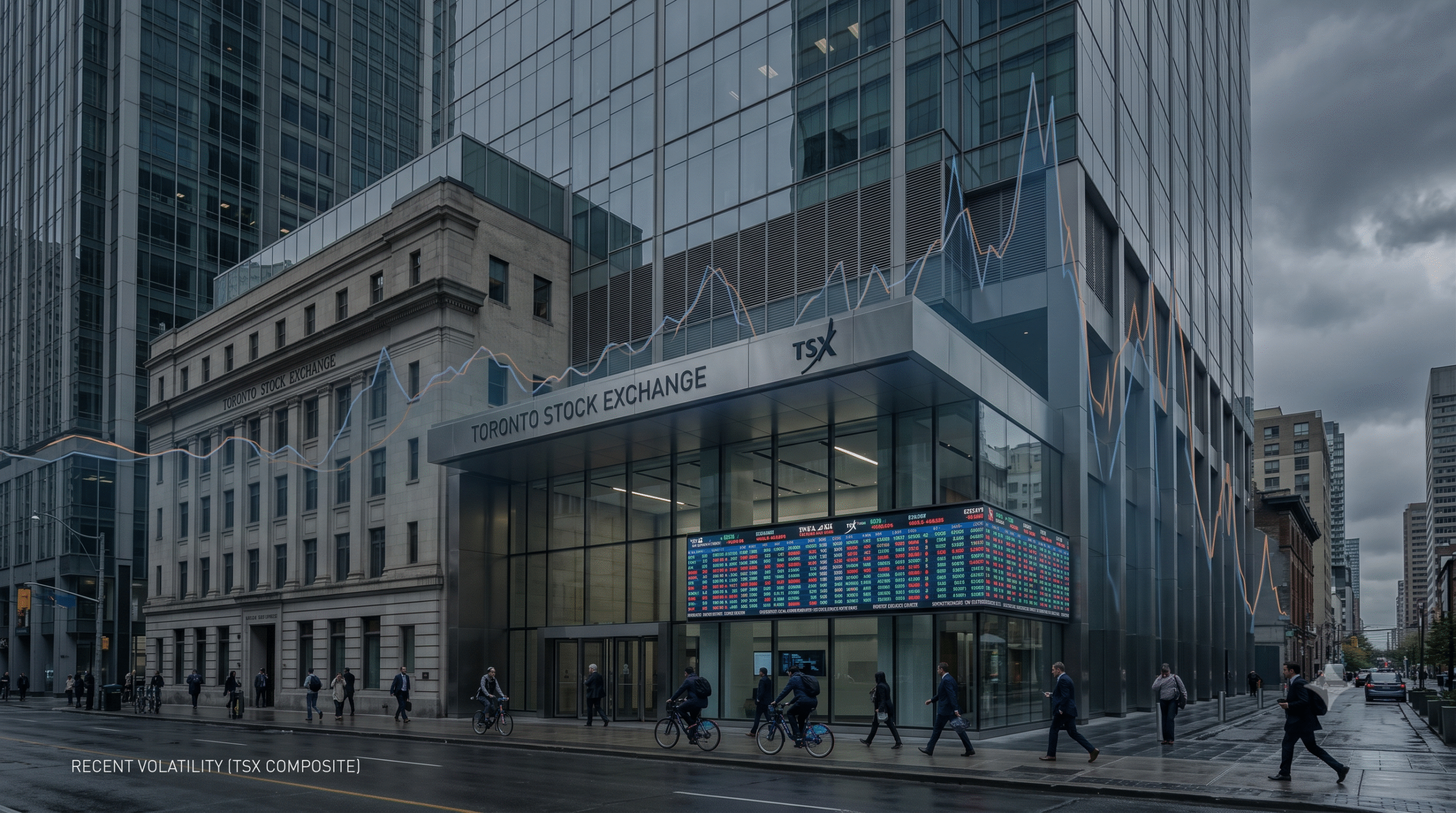


U.S. financial markets are increasingly factoring in policy decisions from the White House, particularly actions and rhetoric that touch on trade with China, tariffs, and regulatory stance, as well as broader economic strategies that could influence investor confidence and risk appetite. These policy developments are cited as a significant force moving U.S. stock futures and sector leadership even when corporate earnings and economic data are relatively steady.
One key influence is the ongoing emphasis on trade tensions with China, including tariff policy and export controls that affect technology flows such as advanced chips and critical industrial inputs. While some tariff increases have been debated or delayed, the possibility of renewed duties on Chinese imports continues to inject uncertainty into equity markets, particularly for sectors exposed to global supply chains.

Analysts have noted that markets tend to react sharply when trade-policy rhetoric intensifies — with technology, industrial, and consumer stocks often retracing gains when investors price in potential cost increases or disrupted trade flows. Conversely, any indication that tariff escalation might ease or be renegotiated — such as interim negotiation pauses — can lift sentiment and support broad market indexes.
Trade tensions between the U.S. and China have historical precedent for affecting markets. During previous tariff escalations, equity indices have experienced sizeable swings as tariff threats intensified and prompts retaliatory actions from trading partners. These episodes have shown that policy-driven risk — not just economic fundamentals — can drive volatility in major indexes when trade uncertainty rises.
Also Read: Long term investing in Canada
Beyond trade, Trump-era policy signals on defence spending, regulatory priorities, and corporate taxation also feed into market expectations. For example, sectors tied to domestic investment, energy, and strategic supply chains may outperform if policy incentives favour reshoring or onshoring of production. But the flip side is that heightened geopolitical tension, especially involving China, can bolster demand for safe-haven assets and reduce appetite for high-beta equities during periods of heightened rhetoric.
Also Read: Best long term Canadian stocks
In summary, U.S. stock performance is being influenced by a mix of policy actions and trade dynamics. Investors are balancing corporate earnings fundamentals with evolving expectations about tariffs and U.S.–China relations, making policy developments a major factor in market positioning and risk management as 2026 begins.
Sign Up For our Newsletters to get latest updates