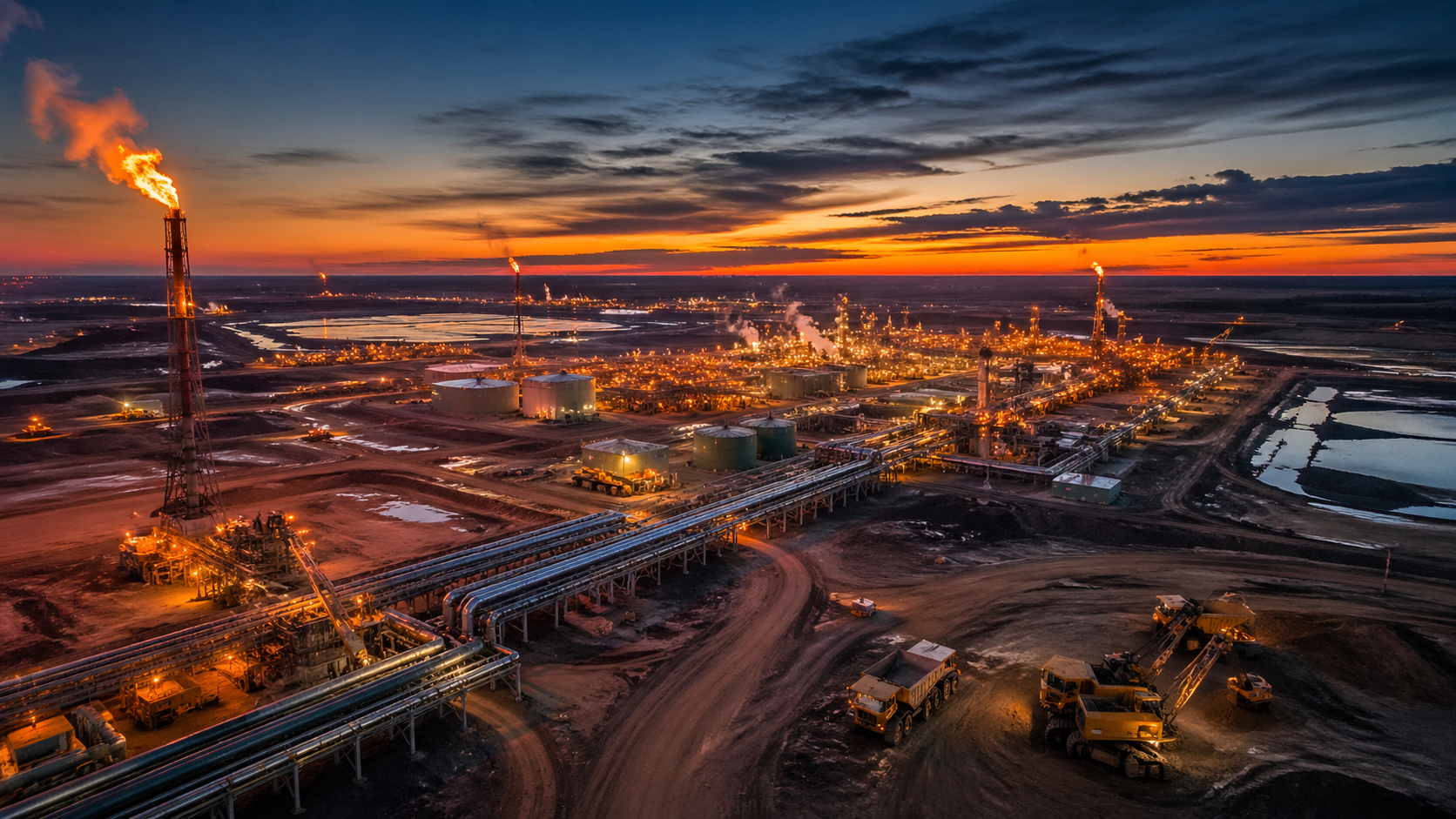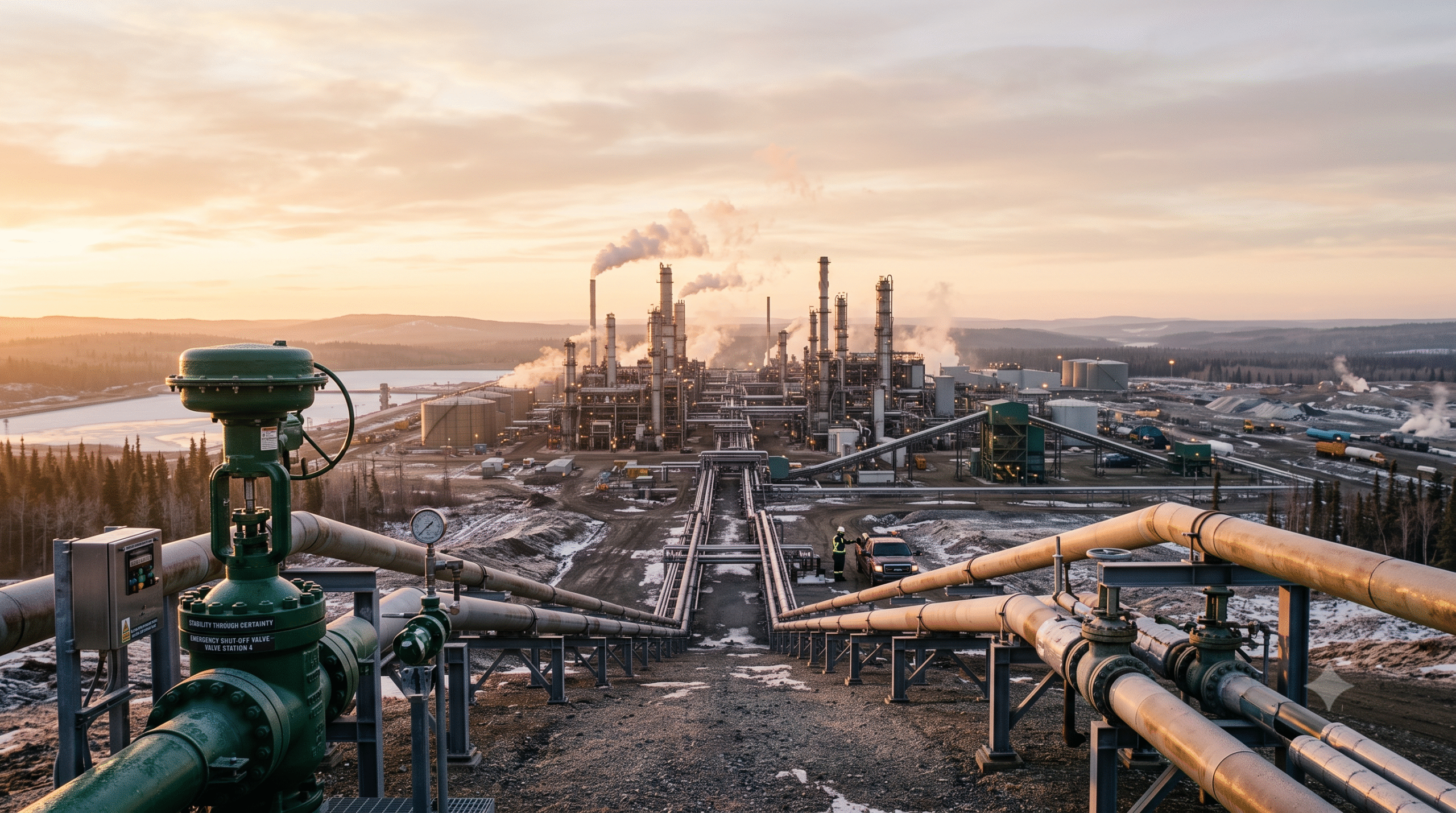


Global energy markets have been shaken by a sharp rise in oil and natural gas prices following escalating tensions in the Middle East. Recent attacks on critical energy infrastructure have disrupted supply chains, pushing prices higher and increasing uncertainty across financial markets.

The surge began after strikes targeted major gas and oil facilities in the region, including key production and export hubs. These disruptions have raised serious concerns about the stability of global energy supplies, especially as the Middle East plays a central role in meeting worldwide demand.
Oil prices quickly reacted, climbing above $110 per barrel and briefly spiking even higher in volatile trading sessions. At the same time, natural gas prices surged sharply, particularly in Europe, where markets are highly sensitive to supply shocks.
One of the biggest risks comes from potential disruptions to major transport routes such as the Strait of Hormuz, a critical channel through which a significant portion of the world’s oil supply flows. Any prolonged disruption in this region could tighten global supply further and keep energy prices elevated for an extended period.
The impact is already being felt beyond energy markets. Rising oil and gas prices are increasing inflation concerns, as higher fuel costs affect transportation, manufacturing, and everyday consumer expenses. This creates additional challenges for central banks, which may need to keep interest rates higher for longer to control inflation.
Stock markets have also reacted negatively to the situation. Global equities declined as investors shifted toward safer assets amid rising geopolitical risk and economic uncertainty. Energy stocks, however, have shown relative strength, benefiting directly from higher commodity prices.
Also Read: Long term investing in Canada
Looking ahead, much depends on how the geopolitical situation evolves. If tensions continue or escalate further, energy prices could remain volatile or even rise further. On the other hand, any signs of de-escalation could help stabilize markets.
Also Read: Dividend paying stocks Canada
For investors, this environment highlights the importance of diversification and risk management. Energy price shocks can ripple across the entire economy, making it essential to maintain a balanced portfolio that can withstand sudden market shifts.
Sign Up For our Newsletters to get latest updates