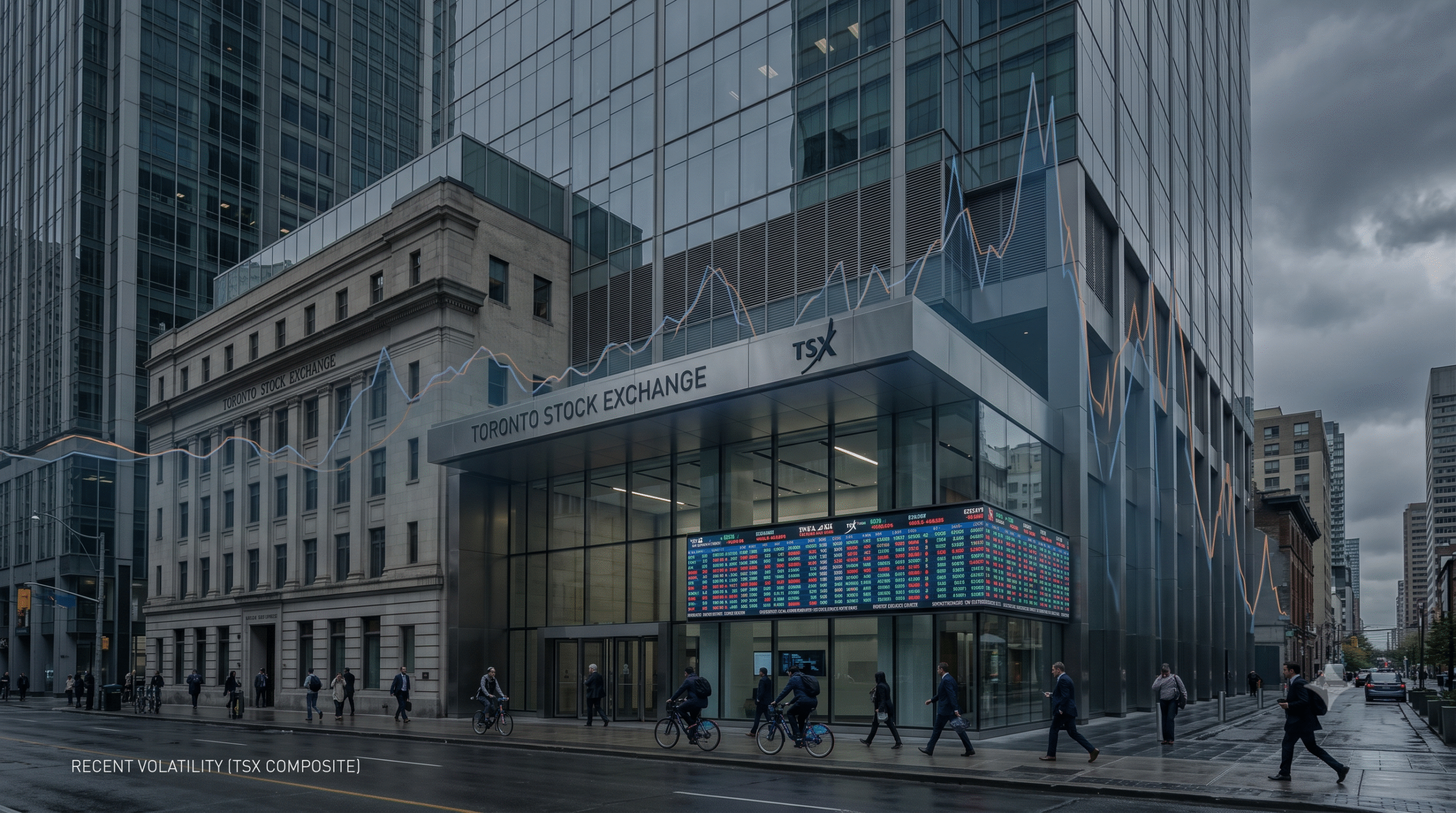
What Happened in Markets Today — May 13, 2026
Some trading sessions revolve around one major event. Wednesday’s market action was different.
Investors had to process a hotter-than-expected U.S. inflation report, rising oil prices, fresh earnings from major Canadian companies, and ongoing geopolitical developments tied to the U.S.-China summit.
Markets did not collapse under the pressure, but they also failed to show strong confidence. Instead, the session reflected a growing realization among investors that inflation may remain elevated longer than many expected earlier this year.
Here’s a breakdown of what moved markets on May 13, 2026.
U.S. Inflation Becomes the Main Market Story
The biggest development of the day came from the latest U.S. Producer Price Index (PPI) report.
Wholesale inflation rose 1.4% in April, significantly above expectations. On a yearly basis, producer inflation climbed to 6%, marking the highest reading since late 2022.
The Producer Price Index matters because it measures costs businesses pay before products reach consumers. Rising producer costs often lead to higher consumer prices over time, which creates additional pressure on central banks and interest rate policy.
The report further reduced expectations for Federal Reserve rate cuts in 2026. Markets are now increasingly pricing in a “higher-for-longer” interest rate environment.
That shift matters because elevated interest rates continue affecting:
- borrowing costs
- corporate margins
- consumer spending
- stock market valuations
U.S. Markets End Mixed
Major U.S. indices finished the session in different directions.
The Dow Jones Industrial Average moved lower as financial and consumer-focused companies faced pressure from rising inflation concerns.
Meanwhile, the Nasdaq gained ground as technology and semiconductor stocks continued attracting investor interest.
The S&P 500 finished relatively flat overall, highlighting the market’s divided sentiment.
Why Tech Stocks Continue Holding Up
Technology stocks once again outperformed despite broader macroeconomic concerns.
Part of the move came from renewed optimism surrounding semiconductor companies after Nvidia CEO Jensen Huang reportedly joined President Trump during the U.S.-China summit discussions.
Investors interpreted the situation as a possible sign that chip export restrictions to China could eventually ease, which supported semiconductor-related stocks throughout the session.
TSX Market Update
Canadian markets continued benefiting from elevated commodity prices.
The S&P/TSX Composite Index remained supported by energy and materials sectors as oil prices held above the $100 level.
Manulife Financial (TSX: MFC)
Manulife Financial released earnings after the closing bell and remained one of the most closely watched Canadian financial stocks of the day.
The company has continued focusing on:
- Asia-driven growth
- wealth management expansion
- higher long-term return targets
Investors are closely monitoring how insurance and financial companies manage profitability in a higher-rate environment.
Hydro One (TSX: H)
Hydro One also remained in focus after reporting earnings.
The utility company continues benefiting from rising electricity demand in Ontario, particularly as data centers and industrial expansion increase pressure on infrastructure demand.
Utilities are traditionally considered defensive investments, but Hydro One’s projected earnings growth has attracted additional investor attention in 2026.
Oil Prices Stay Elevated
Oil prices remained one of the most important drivers across global markets.
West Texas Intermediate crude traded near $101 per barrel, while Brent crude remained above $106.
The ongoing geopolitical situation surrounding Iran and regional supply disruptions continues supporting higher energy prices.
For Canadian investors, elevated oil prices create mixed effects:
- positive for energy producers
- negative for inflation-sensitive sectors
- challenging for consumers and transportation-heavy industries
Persistent energy inflation also complicates central bank efforts to control broader inflation trends.
U.S.-China Summit Remains a Market Wildcard
Markets also continued monitoring developments tied to President Trump’s visit to Beijing for talks with Chinese President Xi Jinping.
Trade relations between the United States and China remain highly important for:
- global supply chains
- semiconductor exports
- commodity demand
- technology stocks
Any changes to trade policy or export restrictions could directly affect both Canadian and U.S. markets.
Technology investors are particularly focused on potential developments surrounding semiconductor exports and AI-related infrastructure.
The Contrarian Concern Investors Are Watching
While markets remained relatively stable overall, some investors continue warning that valuations may be stretched.
Several analysts have pointed out that broader market gains are increasingly concentrated in a smaller number of large technology companies.
Historically, narrow market leadership can sometimes create additional risk if sentiment shifts unexpectedly.
That does not necessarily mean a market correction is imminent, but it does suggest investors may need to become more selective moving forward.
Key Takeaways for Investors
Wednesday’s session reinforced several important market themes.
First, inflation remains one of the dominant forces shaping global markets in 2026.
Second, technology and AI-related infrastructure companies continue attracting capital despite macroeconomic uncertainty.
Third, Canadian energy stocks remain supported by elevated commodity prices.
Finally, interest rate expectations continue influencing sector performance across both Canadian and U.S. markets.
Also Read: Safe investments for new investors
Conclusion
Markets on May 13, 2026 reflected a financial environment that remains highly dependent on inflation trends, interest rate expectations, and geopolitical developments.
While investors are still willing to buy into long-term growth stories such as artificial intelligence and infrastructure expansion, concerns around persistent inflation are beginning to create more caution beneath the surface.
As markets continue adjusting to a higher-rate environment, staying diversified and focusing on long-term fundamentals may become increasingly important for investors in the months ahead.
Also Read: Best long term Canadian stocks
Frequently Asked Questions
What is the Producer Price Index (PPI)?
The Producer Price Index measures changes in prices businesses receive for goods and services before they reach consumers. It is often viewed as an early indicator of inflation trends.
Why did tech stocks rise despite inflation concerns?
Technology and semiconductor companies continue benefiting from strong AI-related demand and investor optimism surrounding long-term growth opportunities.
Why do oil prices matter for stock markets?
Oil prices affect inflation, transportation costs, corporate margins, and consumer spending. Higher oil prices can benefit energy companies while pressuring inflation-sensitive sectors.
How does U.S. inflation affect Canadian markets?
Canadian and U.S. markets are closely connected through trade, interest rates, and capital flows. Rising U.S. inflation can influence Canadian bond yields and market sentiment.
Why are investors watching the U.S.-China summit?
Trade relations between the two countries affect global supply chains, technology exports, commodity demand, and overall market stability.
Sign Up For our Newsletters to get latest updates