

Table of Contents
-
Market Context
-
What Happened
-
Why It Matters
-
Sector Breakdown
-
Risks to Watch
-
What to Watch Next
-
Final Outlook
Market Context
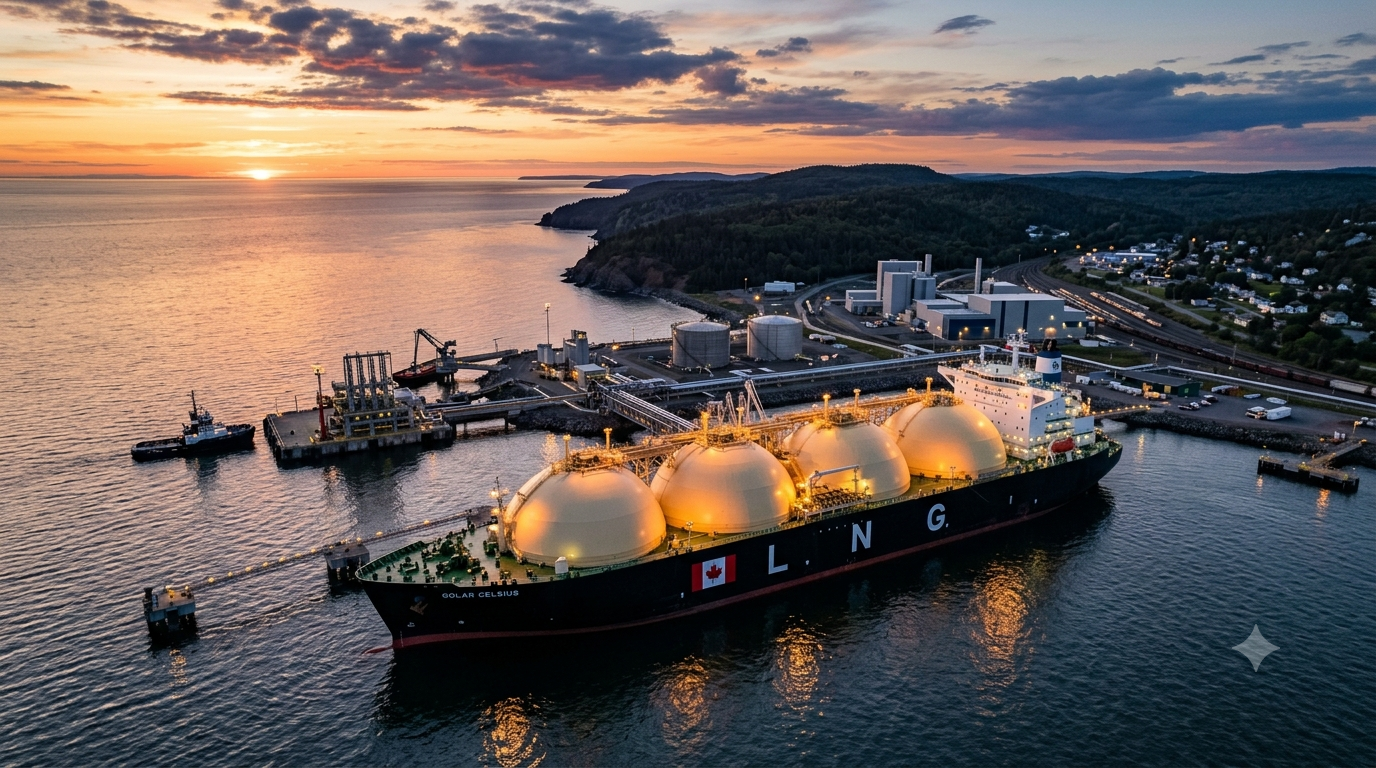
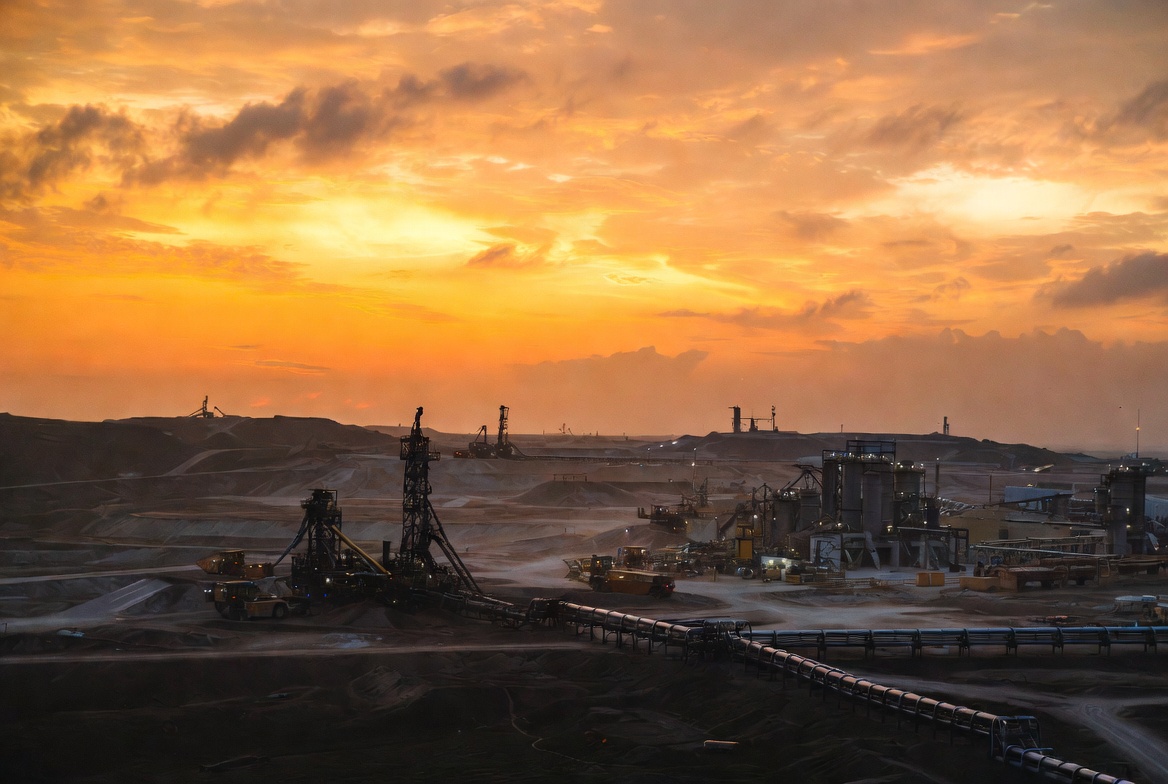
The energy sector stands as the heavy-weight cornerstone of the Toronto Stock Exchange (TSX). Historically, the performance of Canadian large-cap exploration and production companies has dictated the direction of the broader index. The sector has gone through a monumental transition over the past few years, moving away from high-debt growth models toward disciplined capital return strategies. This transformation has turned Canadian energy names into major cash-flow vehicles.
However, this discipline is being tested as global commodity dynamics fluctuate. Canadian producers are highly sensitive to global pricing benchmarks, and structural constraints like pipeline capacity and heavy crude differentials continue to play a crucial role in determining the ultimate profitability of Western Canadian Select (WCS) and Brent-linked assets.
What Happened
In the past 24 hours, global energy markets have been jolted by escalating geopolitical friction in the Middle East, directly affecting the TSX energy complex. According to the latest assessments from central banking authorities, the ongoing conflict has driven global energy prices sharply higher, disrupting shipping lines and creating widespread financial market volatility.
This commodity surge has introduced an inflationary impulse back into the Canadian economy. While the Bank of Canada has indicated it plans to look through the immediate, temporary impacts of this war-induced energy spike, Canadian oil and gas equities have faced mixed, volatile trading as investors try to balance higher immediate cash flows against the risk of prolonged global economic deceleration.
Also Read: Top Canadian tech AI stocks
Why It Matters
The surge in energy prices directly affects both corporate margins and broader macroeconomic policy. For Canadian energy giants, sustained higher crude prices create a massive windfall of free cash flow, which can be deployed toward debt reduction and shareholder buybacks.
The Double-Edged Sword of High Oil
While higher crude prices bolster the revenues of TSX energy constituents, they simultaneously pressure consumer discretionary spending across Canada. This dynamic risks forcing central banks to maintain higher interest rates for longer, potentially capping the valuations of non-energy equity sectors.
Sector Breakdown
Large-cap oil sands operators continue to dominate market liquidity. These firms possess long-life, low-decline assets that act as highly defensive vehicles during geopolitical crises. Corporate metrics indicate that their cash-breakeven thresholds remain incredibly resilient, allowing them to remain highly profitable even if crude pulls back from its recent geopolitical peaks.
In the mid-cap and junior production space, volatility has been significantly higher. These companies are more exposed to regional infrastructure bottlenecks and pricing differentials, meaning that while they offer higher beta to a rising oil price, they carry sharper downside when global supply anxieties begin to ease.
Risks to Watch
The dominant risk for energy stock investors is unexpected commodity price reversals. Geopolitical risk premiums can evaporate just as fast as they appear if diplomatic resolutions are reached or if global demand falters due to a broader economic slowdown. Additionally, operational risks, such as unexpected facility maintenance or wildfire disruptions in Western Canada, could limit production volumes just as prices peak.
What to Watch Next
Market participants should focus directly on weekly inventory reports and production guidance updates from major Canadian producers. It will also be critical to watch the Bank of Canada’s upcoming commentary to see if the central bank begins to worry that elevated energy prices are spilling over into generalized, core consumer inflation.
Also Read: Top Canadian tech AI stocks
Final Outlook
The Canadian energy sector remains fundamentally well-positioned, backed by excellent balance sheet health and strong structural demand. However, the reliance on geopolitical risk premiums to sustain current pricing heights suggests that a highly disciplined approach to position sizing is necessary. Investors should focus on low-cost operators with robust infrastructure access, ensuring protection against eventual swings in global crude supply.
Sign Up For our Newsletters to get latest updates