


Table of Contents
- Market Context
- What Happened
- Why It Matters
- Sector Breakdown
- Risks to Watch
- What to Watch Next
- Final Outlook
Market Context
Few sectors on the TSX have navigated 2026’s crosscurrents with more complexity than Canadian energy. The year opened with Middle East conflict sending crude oil surging dramatically, lifting energy sector earnings and injecting a significant commodity premium into names like Suncor Energy (TSX:SU), Canadian Natural Resources (TSX:CNQ), and Cenovus Energy (TSX:CVE). That tailwind has now begun to moderate as tankers resume movement through the Strait of Hormuz and preliminary peace signals dampen the acute supply-disruption premium. WTI crude has pulled back to below US$70 per barrel — down nearly US$25 from its 2026 peak — though prices remain above pre-conflict levels.
The Bank of Canada has held its policy rate at 2.25% through five consecutive meetings, acknowledging that higher energy prices have so far not broadly infected core inflation, which remains near 2.1%. That careful policy stance provides a degree of macro stability for energy names, even as the commodity tailwind eases. Canada’s energy sector is structurally advantaged in this environment: as a major net exporter of oil, higher crude prices improve national income even when they pressure consumers. The question for investors is whether the retreating oil price signals a durable normalisation or a temporary lull ahead of potential conflict escalation.
For income-focused investors, the Canadian energy sector also continues to deliver on shareholder returns. Suncor reported record first-quarter 2026 upstream production of 875,200 barrels per day and lifted its share repurchase target by more than 30% to nearly CA$4 billion. The fundamental case for quality Canadian energy names remains intact even as near-term price pressure builds.
What Happened
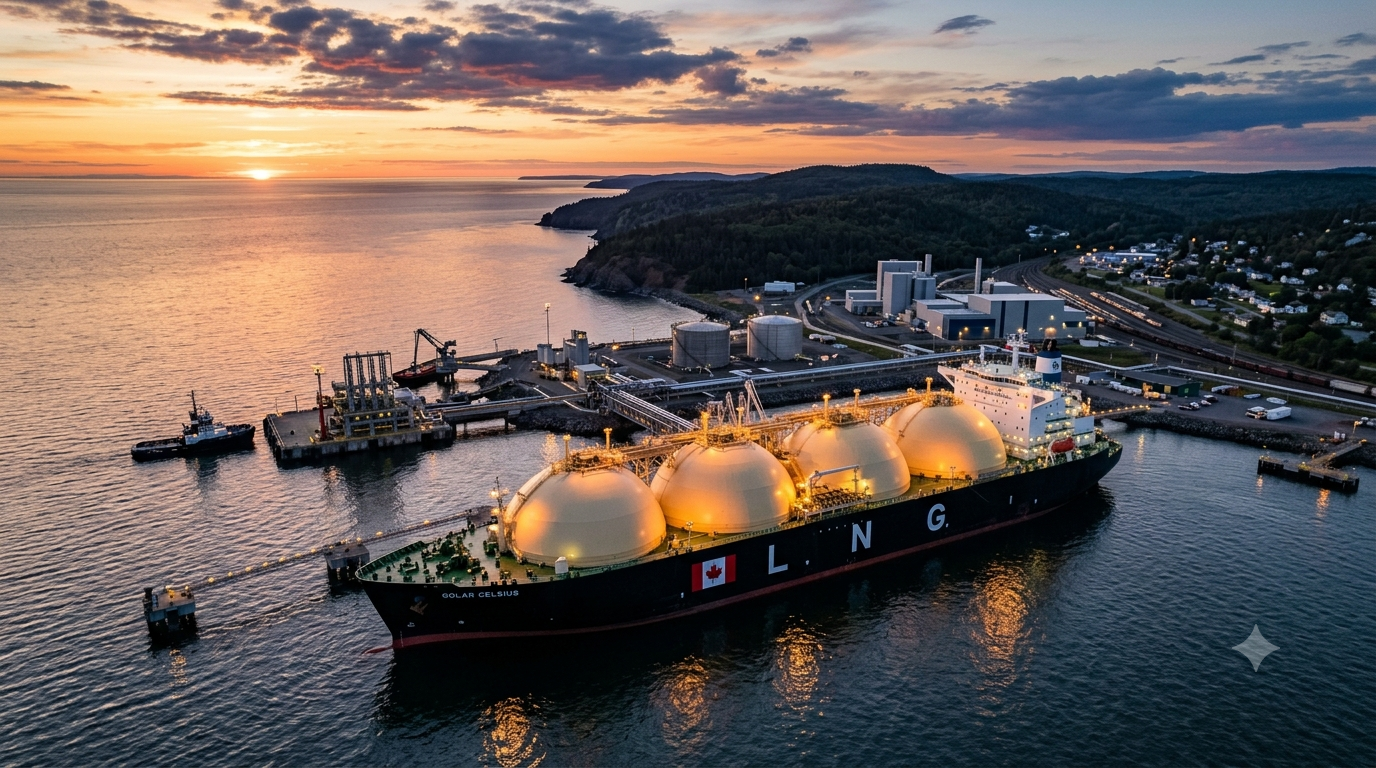
On Friday, June 27, both Suncor Energy and Canadian Natural Resources lost more than 1% as oil prices fell on easing supply concerns following reports of more tankers exiting the Strait of Hormuz. Iran reiterated its claim to control shipping in the waterway while simultaneously warning Gulf states against aligning with the United States — a reminder that geopolitical risk has not fully dissipated even as tanker traffic normalises. The energy sector’s Friday decline weighed on the broader TSX, though losses were offset by gains in mining and technology. Liquefied petroleum gas railway exports from Edmonton to U.S. refining centres remain unusually high this summer, reflecting sustained operational demand even as crude benchmarks soften.
Also Read: Stock investment Canada for beginners
Why It Matters
The Hormuz Premium Is Fading, but Not Gone
The crude oil spike that began with U.S.-Iran conflict earlier in 2026 is clearly unwinding. However, the pace of that reversal depends heavily on whether the current fragile peace holds. Suncor’s integrated model — spanning oil sands production, upgrading, refining, and retail — provides a partial natural hedge: when crude prices fall, refining margins can improve, partially offsetting upstream revenue pressure. Investors should watch this integration premium as a key source of earnings resilience.
LPG Exports and Pipeline Activity Offer a Brighter Sub-Story
While crude headlines dominate, Alberta’s LPG export activity is running unusually high, with railway shipments to U.S. blenders at elevated summer levels. This sub-segment of Canada’s energy complex is operating in a constructive demand environment and may buffer some of the headline crude weakness for diversified producers and midstream operators.
Sector Breakdown
Suncor remains the anchor name in the Canadian integrated energy space. Q1 2026 results showed revenue of CA$14.5 billion — up 18% year-over-year — and net income of CA$2.10 billion, up 24%. The company is also advancing its Petro-Canada Electric Highway initiative, targeting more than 1,000 fast-charging stations by late 2026, a longer-term optionality play on energy transition. Canadian Natural Resources brings a different investment profile: a pure-play weighted to oil sands production with a strong dividend history and aggressive resource development. TC Energy (TSX:TRP) and Enbridge (TSX:ENB) provide midstream and pipeline exposure, with more stable cash flows tied to regulated throughput volumes rather than spot commodity prices — a meaningful distinction as crude softens.
Risks to Watch
The primary downside risk is a sustained retreat in oil prices toward the low-US$60s, which would pressure earnings for pure-play producers more severely than integrated names. USMCA trade negotiations remain a medium-term risk for Canadian energy exporters. A stronger U.S. dollar — which hit new 2026 highs in trade-weighted terms last week — tends to suppress commodity prices, adding a currency headwind to energy names with USD-linked revenues. Domestically, Canada’s technical recession and weakening consumer confidence could reduce refined product demand, affecting the marketing segment of integrated operators like Suncor.
What to Watch Next
The most immediate watchpoint is oil price stability over the next two weeks. If tanker crossings through Hormuz continue recovering, further crude price pressure is likely. Suncor’s Q2 earnings report, when it arrives, will clarify how effectively the company’s integrated model absorbed the oil price swing. Investors should also monitor the Bank of Canada’s July 15 MPR for any revised energy price assumptions, which will inform the institution’s inflation outlook and rate posture. U.S. refining demand data and inventory reports will signal whether the current LPG export strength has legs.
Also Read: Best long term Canadian stocks
Final Outlook
Canadian energy stocks are navigating a meaningful transition from peak commodity tailwind to a more normalised, albeit still constructive, commodity environment. The sector’s fundamental case — strong free cash flow, disciplined shareholder returns, and integrated business models — remains intact, but the easy money from the oil price spike has largely been made. Selectivity now matters more than it did six months ago.
Integrated names with refining exposure and midstream operators with regulated revenue streams appear better positioned than pure-play upstream producers in this environment. Suncor’s buyback programme and operational scale provide a degree of downside protection that smaller producers cannot match.
Sign Up For our Newsletters to get latest updates