Canada’s trade balance came under pressure recently, with the country reporting a wider-than-expected trade deficit as import growth outpaced exports. The latest data highlights both strong domestic demand and ongoing challenges in global trade conditions.
In February 2026, Canada’s merchandise trade deficit expanded to approximately $5.7 billion, up from $4.2 billion in January—marking the largest gap in several months. This widening deficit was primarily driven by a sharp increase in imports, which rose by about 8.4% to a record high of $72.1 billion.
A significant contributor to this surge was a spike in gold imports, alongside increased purchases of motor vehicles, energy products, and industrial goods. These increases suggest that businesses are restocking inventories and consumers continue to spend, signaling underlying economic activity despite broader uncertainties.
On the export side, Canada also saw growth, with exports rising by around 6.4% to over $66 billion. Gains were recorded across several sectors, including metals, agricultural products, and automobiles. Notably, exports to countries outside the United States reached record levels, reflecting ongoing efforts to diversify trade partnerships and reduce reliance on a single market.
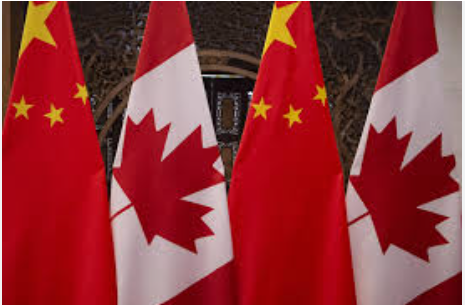
However, the faster pace of import growth meant that the overall trade balance deteriorated. Canada’s trade surplus with the United States narrowed significantly, while trade deficits with other regions remained substantial. This shift underscores the complex dynamics of global trade, where strong domestic demand can sometimes outweigh export gains.
From a broader perspective, a widening trade deficit is not necessarily a negative signal. Rising imports often indicate stronger economic activity, particularly when driven by investment in machinery, infrastructure, and consumer demand. At the same time, persistent deficits can put pressure on the national currency and raise concerns about long-term economic balance.
External factors are also playing a role. Ongoing geopolitical tensions, fluctuating commodity prices, and evolving trade policies continue to shape Canada’s trade environment. These influences can lead to short-term volatility in both imports and exports, making the trade balance more unpredictable.
Also Read: Dividend paying stocks Canada
Looking ahead, the trajectory of Canada’s trade position will depend on global demand, commodity price movements, and policy decisions both domestically and internationally. If exports continue to grow alongside stable import levels, the deficit could narrow in the coming months.
Also Read: Top Canadian tech AI stocks
In summary, Canada’s widening trade gap reflects a mix of strong internal demand and external economic pressures. While the short-term imbalance may raise concerns, it also points to an active economy navigating a rapidly changing global trade landscape.
Sign Up For our Newsletters to get latest updates