

Table of Contents
- Market Context
- What Happened
- Why It Matters
- Sector Breakdown
- Risks to Watch
- What to Watch Next
- Final Outlook
Market Context
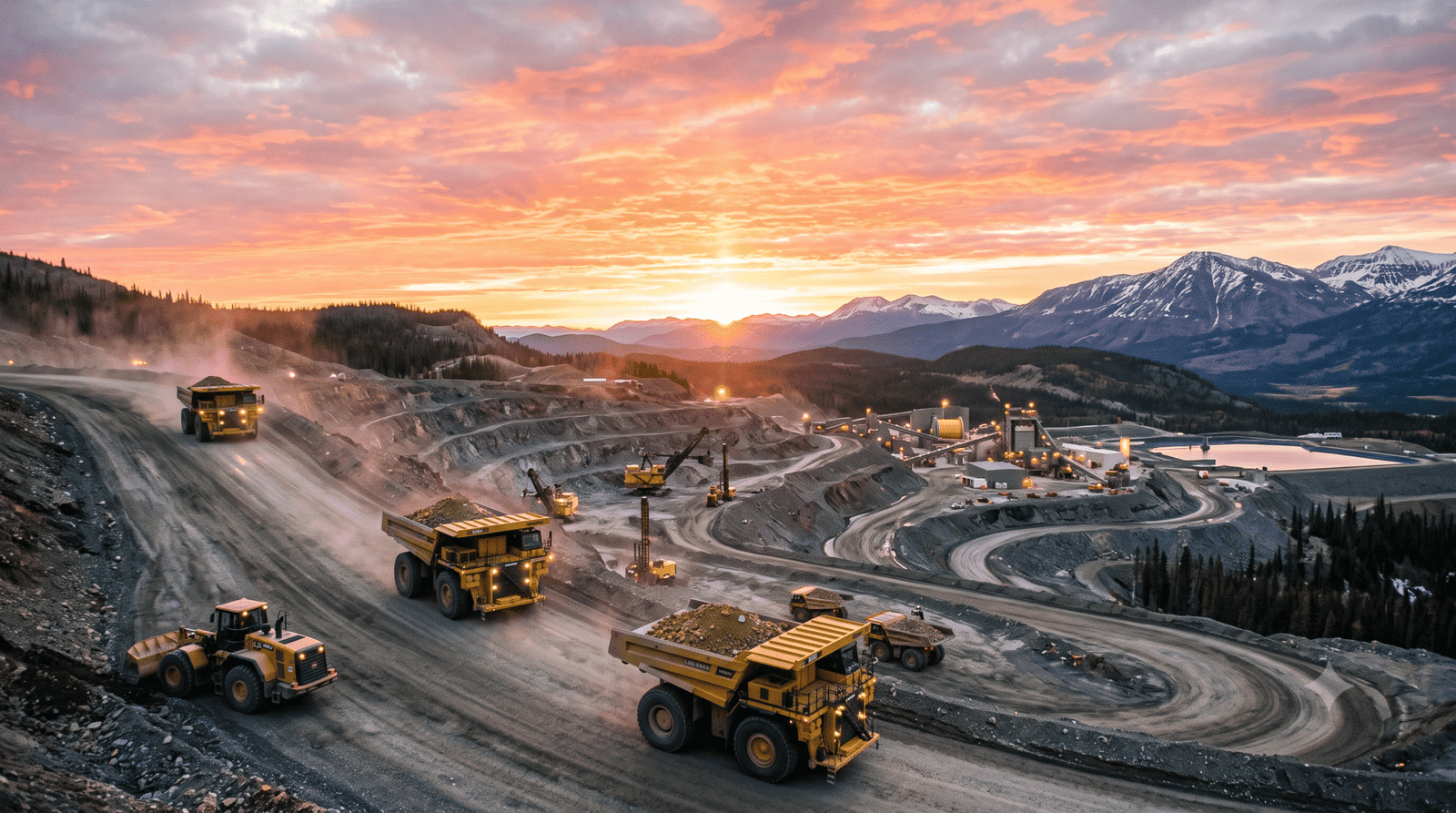
Oil sands consolidation has become one of the defining themes of the Canadian energy sector. Earlier this autumn Cenovus agreed to buy Athabasca Oil for about C$5.7 billion, and on the weekend another large combination arrived. These deals tend to cluster when producers have strong cash flow and share prices that make stock-based offers attractive.
At the same time, the commodity backdrop has been unusually unsettled. Crude spiked higher during a sharp escalation in fighting between the United States and Iran, then fell back as diplomatic efforts resumed. For equity investors, that volatility makes long-life, low-decline assets more attractive than short-cycle production.
Monday combined both stories, with a major takeover announcement landing on a day when oil fell sharply.
What Happened
Strathcona Resources announced on Sunday that it had agreed to acquire Greenfire Resources in a cash-and-stock deal valued at about C$2.7 billion to C$2.9 billion, including roughly C$550 million of net debt. Greenfire shareholders can elect either 0.25 of a Strathcona share, worth about C$9.09 per share and a 15% premium to Friday’s close, or C$11.00 in cash, a premium of about 39%. The Waterous Energy Fund, which holds about 72% of Greenfire and about 57% of Strathcona, supports the deal and plans to take shares. The transaction is expected to close in early 2027, subject to approvals. Greenfire shares jumped about 38% on Monday, while Strathcona rose about 0.2%.
On the commodity side, WTI fell about 4.5% to near US$86.77 and Brent about 6% to roughly US$92.41 on hopes for U.S.-Iran diplomacy, while natural gas jumped about 7.3% to near US$3.22. On the S&P/TSX Composite, which gained 1.84% to 36,446, Canadian Natural Resources slipped about 0.9% and Suncor about 2%, while Enbridge rose about 1.1% despite third-quarter earnings below expectations at C$0.49 a share.
Also Read: Stock investment Canada for beginners
Why It Matters
A premium for scale and reserve life
The companies describe the combined business as Canada’s fourth-largest SAGD operator, with more than three billion barrels of proved-plus-probable reserves and plans to grow production 11% to 12% a year. In a market where oil swings daily, investors may reward companies with long-life assets and defined growth plans.
Takeovers set a floor for small and mid-sized producers
Greenfire’s jump illustrates how quickly valuations can reset when a controlling shareholder backs a deal. Other mid-sized producers may see their own shares re-rate if investors expect further consolidation.
Sector Breakdown
Large integrated and oil sands producers such as Suncor and Canadian Natural continue to benefit from elevated crude, though their share prices have already risen sharply this year, so they react to every dip in oil. Canadian Natural reported third-quarter profit above estimates last week, supported by higher crude prices and stronger production, and Suncor and Cenovus also beat expectations.
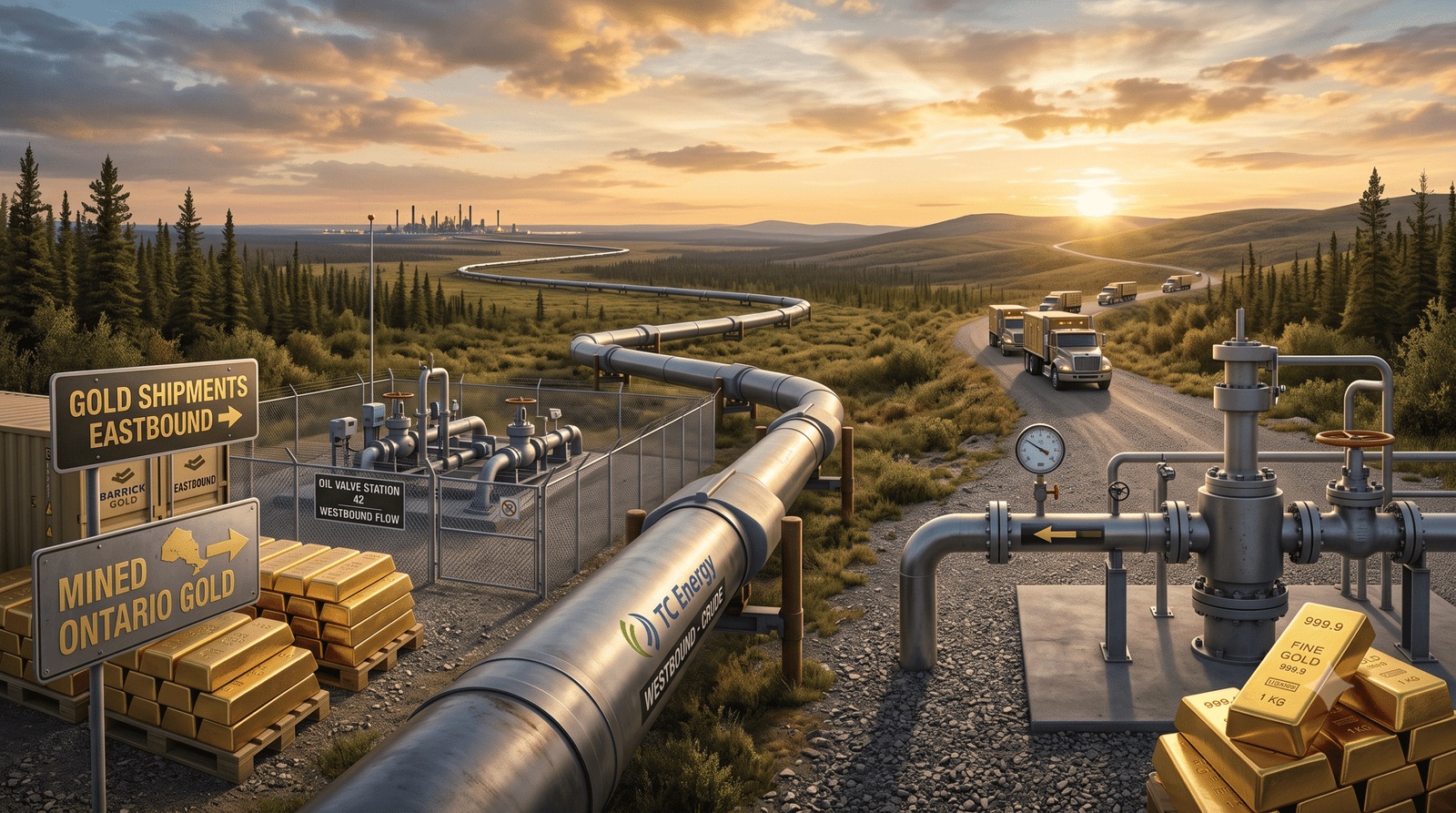
Mid-cap and growth-oriented oil sands names, including Strathcona, would operate as the only oil sands producer without natural gas or downstream operations, a pure-play profile that may appeal to investors seeking direct crude exposure. Pipelines such as Enbridge behave more like infrastructure and were helped by lower yields, while TC Energy had reported earnings above expectations at C$0.94. Natural gas producers benefited from the 7% jump in gas prices, though levels near US$3 remain modest.
Risks to Watch
Commodity volatility is the leading risk, and this week’s swings show how quickly crude can reverse. A durable U.S.-Iran settlement could pull prices lower, while renewed fighting could push them back above recent highs. Deal risk applies to Strathcona and Greenfire, since shareholder and regulatory approvals are required and the closing date is early 2027.
Valuation risk is notable after a strong year. Interest rates matter too, since the Bank of Canada is at 2.50% and growth indicators are softening. Execution risk, including capital spending and integration, applies to any combination.
What to Watch Next
Investors should watch Brent and WTI for signs of a trend, the progress of U.S.-Iran talks, and the Greenfire shareholder election between cash and shares. Strathcona’s financing and integration plans, further producer earnings, and any additional oil sands consolidation will matter. Pipeline and takeaway developments could also influence the sector.
Final Outlook
Canadian energy is moving into a phase where consolidation and capital discipline matter as much as crude prices. The Strathcona-Greenfire deal reinforces that trend, though the commodity backdrop remains uncertain.
Investors may find the most resilient exposure in companies with long-life assets, strong balance sheets and clear capital-return plans.
Verdict: Neutral with selective opportunities. Monitor Brent near US$92 and the deal’s approval process.
Sign Up For our Newsletters to get latest updates