

Precious metals markets experienced a dramatic sell-off this week, with gold futures tumbling and silver prices collapsing in what has been described as one of the most abrupt reversals in recent memory. After surging to record highs earlier in 2026, both metals saw steep declines, reversing a powerful rally that had captured significant investor attention.
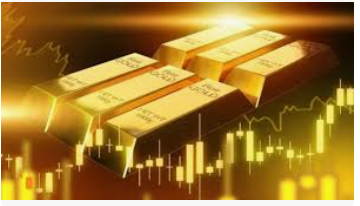
On Friday, gold futures fell as much as 11 per cent, pushing prices below US $4,900 per troy ounce — a level not seen since before the recent surge — marking one of the most severe single-day drops in decades. Silver suffered an even more pronounced collapse, with prices plunging over 25 per cent in a single trading session, wiping out a significant portion of the gains made during its prolonged rally.
The sell-off coincided with broader market volatility, including weakness in major equity indexes and shifts in currency markets that saw the U.S. dollar strengthen. A key catalyst for the downturn was changing expectations around monetary policy and central bank leadership, which appeared to reduce the perceived need for aggressive inflation hedging via traditional safe-haven assets like gold and silver.
Analysts note that both metals had experienced unusually rapid price appreciation, pushing valuations into territory that some strategists viewed as stretched. When prices climb steeply in a short period, liquidity can become thinner and volatility can escalate — setting the stage for sharp reversals when traders begin to take profits or adjust risk exposure.
Also Read: Dividend paying stocks Canada
Some commodity strategists argue that extreme price momentum may have contributed to the severity of the drop, as market positioning built up speculative pressure that unwound rapidly once sentiment shifted. Others highlight the mechanical impact of stopping out leveraged positions or algorithmic trading triggers that can amplify moves in both directions during periods of stress.
Also Read: Long term investing in Canada
Despite the abrupt reversal, precious metals remain above levels from earlier in the rally — reflecting the broader context of heightened inflation concerns and long-term demand for hedges against economic uncertainty. For investors, this recent pullback serves as a reminder of the volatility inherent in commodity markets and the importance of managing risk even in sectors traditionally viewed as defensive.
Sign Up For our Newsletters to get latest updates