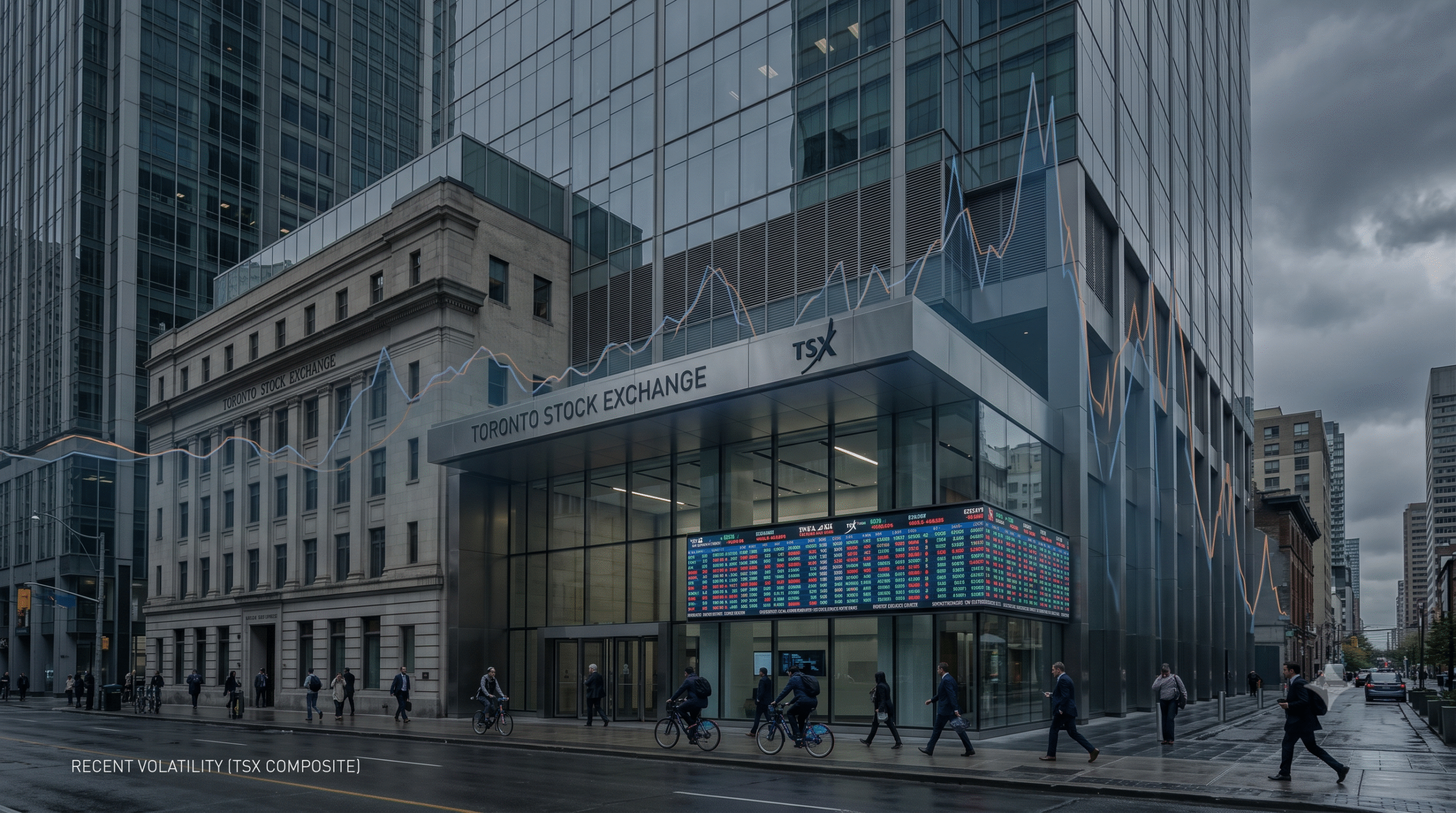


When markets become volatile and economic signals are mixed, many investors start looking for relative safety rather than aggressive growth. One practical way to achieve this balance is through a diversified exchange-traded fund (ETF) designed to provide stability, income, and long-term resilience. Rather than trying to time individual stocks, a well-constructed ETF can offer broad exposure while reducing the impact of short-term market shocks.
A strong defensive ETF typically focuses on high-quality companies with durable business models, consistent cash flows, and a history of navigating different economic cycles. These companies often operate in essential sectors such as financial services, consumer staples, healthcare, and utilities — industries that tend to remain resilient even when economic growth slows. By spreading investments across multiple sectors and holdings, the ETF reduces reliance on any single company’s performance.

One of the key advantages of this type of ETF is risk management through diversification. Instead of betting heavily on one stock or sector, investors gain exposure to dozens or even hundreds of companies in a single trade. This helps smooth returns over time and limits downside risk during market corrections. For long-term investors, this structure can be particularly appealing during periods of uncertainty.
Income is another important component. Many defensive ETFs include companies that pay reliable dividends, providing investors with regular cash flow regardless of short-term price movements. Reinvesting these dividends over time can significantly enhance total returns, especially when markets move sideways. For investors who value steady income — such as retirees or conservative savers — this feature adds an extra layer of comfort.
Also Read: Top Canadian tech AI stocks
Cost efficiency also plays a role. Compared with actively managed funds, ETFs generally have lower management fees, which means more of your money stays invested and compounds over time. Over long holding periods, even small differences in fees can translate into meaningful gains.
Importantly, a defensive ETF is not about avoiding growth entirely. Instead, it aims to capture reasonable upside while limiting downside risk. As markets recover, quality companies within the fund can still participate in growth, but without the extreme volatility seen in more speculative investments.
Also Read: Best long term Canadian stocks
In summary, a well-diversified, defensive ETF can be an excellent choice for investors seeking relative safety, steady income, and long-term capital preservation. While no investment is completely risk-free, this approach offers a disciplined way to stay invested, remain diversified, and navigate uncertain markets with greater confidence.
Sign Up For our Newsletters to get latest updates