

Table of Contents
- Market Context
- What Happened
- Why It Matters
- Sector Breakdown
- Risks to Watch
- What to Watch Next
- Final Outlook
Market Context
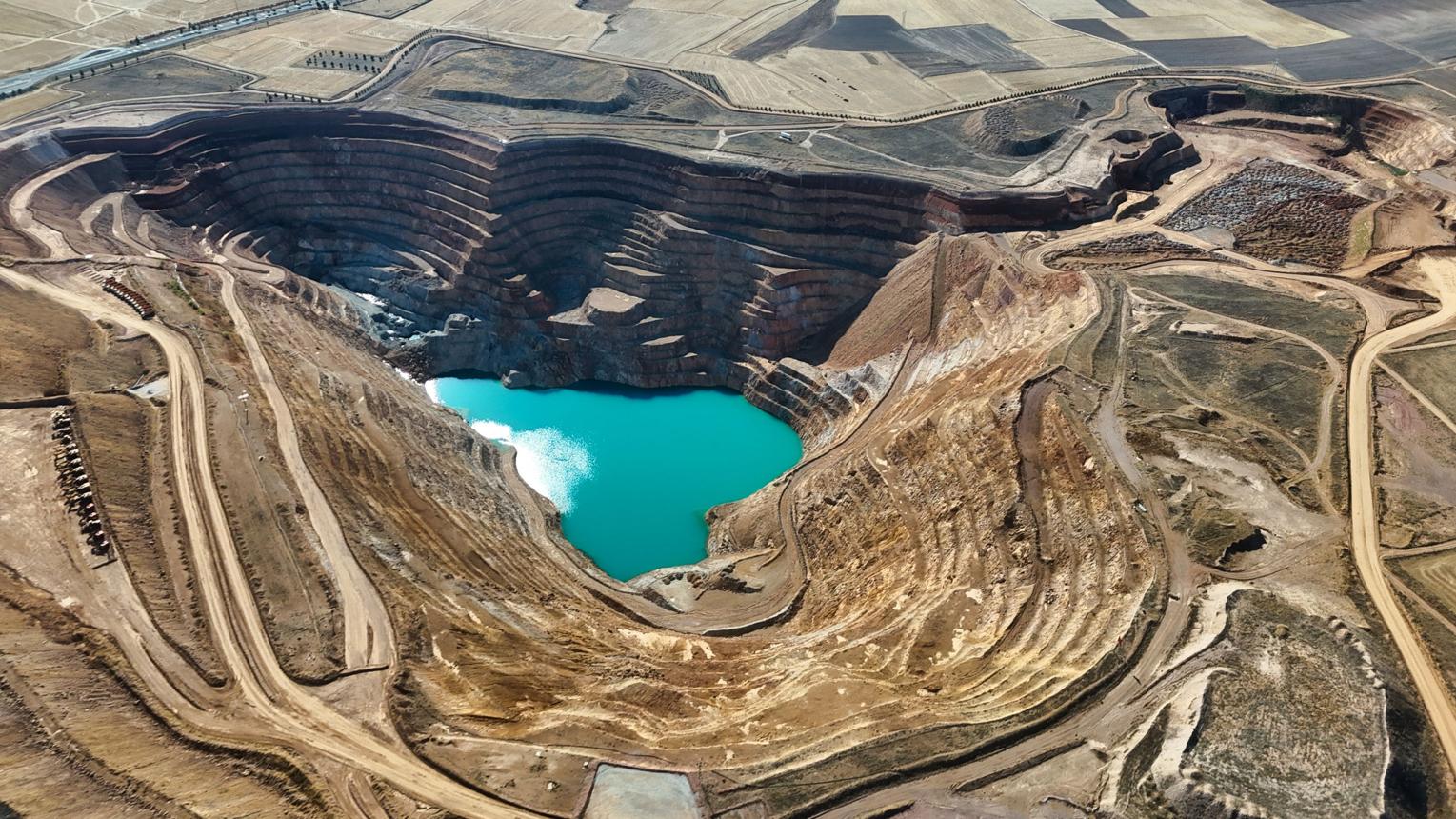
Canada’s mining sector has been one of the most dramatic stories on the TSX in 2026. Gold prices climbed to extraordinary heights earlier in the year, carrying Canadian producers and streaming companies to returns that outpaced virtually every other sector on the composite index. In the strong gold rally of 2025 and early 2026, both XGD and GDX ETFs delivered impressive 1-year returns exceeding 98–101% as gold prices moved from around $1,810 in late 2023 toward $6,000 earlier in 2026 before a correction. That correction has now arrived, and the mining sector is reassessing.
The TSX’s mining sub-index dropped sharply on May 15, in part because of a macro development that typically hurts gold: rising bond yields. When real yields push higher and the U.S. dollar strengthens, the opportunity cost of holding gold rises, suppressing prices. This is precisely the dynamic playing out as investors react to a global bond market selloff. The Canada 10-year government bond yield climbed to its highest level in approximately two years, a move that gold bulls were not prepared for.
What Happened
The May 15 session was a rough one for TSX-listed miners. Agnico Eagle, Barrick, and Wheaton Precious Metals all dropped more than 4%. Gold prices also declined as inflation fears lifted expectations of higher interest rates and pushed U.S. Treasury yields higher, weighing on miners. For a sector that had been riding a multi-year tailwind, the sudden repricing served as a reminder that gold mining equities carry amplified sensitivity to both commodity prices and macro rate expectations.
The pullback arrived even as some of these companies had recently reported outstanding quarterly results. Wheaton Precious Metals, for instance, had delivered record revenue in Q1 2026. Wheaton Precious Metals reported record Q1 2026 revenue of US$901 million, net earnings of US$582 million, and operating cash flow of US$766 million, which were ahead of analyst expectations. The contradiction of record earnings and a falling share price illustrates the disconnect between underlying business performance and short-term market sentiment.
Why It Matters
Operating Leverage Cuts Both Ways
Mining equities are often described as leveraged bets on the underlying metal. When gold rises, well-run operators see margins expand at multiples of the commodity move. But the inverse is equally true — a modest pullback in gold prices can translate into a much larger move in the equity, particularly for companies with higher cost structures.
Streaming Models Offer a Different Risk Profile
Not all gold-related TSX companies are traditional miners. Wheaton Precious Metals operates a streaming model — providing up-front capital to mining operators in exchange for the right to purchase a percentage of future production at below-spot prices. This creates a structurally different risk profile. Wheaton closed its largest transaction to date, a US$4.3 billion silver streaming agreement with BHP for the Antamina mine, and increased its quarterly dividend by 18% to US$0.195 per share.
Sector Breakdown
Agnico Eagle Mines (TSX: AEM) remains the standout among senior producers. Agnico Eagle’s Q1 2026 results showed EPS of US$3.39, up from US$1.62 in Q1 2025, revenue of US$4.10 billion, up 66% year over year, and net income of US$1.70 billion, up 108%. The company has also launched a significant share repurchase programme, underscoring management’s confidence in the balance sheet. Meanwhile, Barrick Gold (TSX: ABX) continues to navigate operational complexity across multiple continents, while Wheaton’s streaming portfolio gives it exposure to both gold and silver — a diversification that can smooth out single-metal volatility.
For investors watching the sector’s direction, the XGD ETF — which tracks the S&P/TSX Global Gold Index — remains a useful bellwether. Its top holdings include Agnico Eagle, Barrick, and Wheaton, making it a reasonable proxy for the health of Canadian-listed precious metals.
Risks to Watch
The primary risk is a sustained rise in U.S. Treasury yields, which directly compresses gold’s appeal as a non-yielding asset. Secondary risks include currency exposure — most Canadian gold companies report in U.S. dollars but operate in Canadian dollars and other currencies, creating margin sensitivity to the CAD/USD rate. Project execution risk is also meaningful; large capital programmes carry the potential for cost overruns, permitting delays, and geotechnical surprises. Investors should also note that the recent pullback in gold prices may not be over if bond yields remain elevated.
Also Read: Stock investment Canada for beginners
What to Watch Next
The gold price trajectory through the coming sessions will be the most closely watched variable. A stabilisation of U.S. Treasury yields could allow precious metals to find support. Domestically, investors will be watching for any updated production guidance from Agnico Eagle and Barrick, as well as streaming deal announcements from Wheaton and Franco-Nevada. The U.S. Federal Reserve’s posture on rates and the broader resolution — or escalation — of Iran-related geopolitical tension will also be critical inputs for metal prices.
Also Read: Long term investing in Canada
Final Outlook
The May 15 selloff in Canadian mining stocks is significant in scale but does not necessarily signal a structural breakdown in the sector’s long-term thesis. The underlying businesses — particularly among the senior producers and streaming companies — have delivered record financial results, reduced debt, and increased shareholder returns. The recent drawdown looks more like a macro-driven repricing than a fundamental deterioration.
That said, investors entering at current levels should do so with the understanding that volatility could persist as long as bond yields remain elevated. For those with a longer horizon, quality names may be approaching more attractive entry points. The streaming model, in particular, offers a more risk-managed route to precious metals exposure.
Sign Up For our Newsletters to get latest updates