

Table of Contents
- Market Context
- What Happened
- Why It Matters
- Sector Breakdown
- Risks to Watch
- What to Watch Next
- Final Outlook
Market Context
The Canadian energy sector enters September 22 navigating the most sustained oil price pullback since the Saudi East-West pipeline’s partial restoration began. As of the September 18 close, oil has declined for three straight sessions — a pattern that the BNN Bloomberg coverage of Friday’s TSX session described as having done “little to help sentiment” — as Saudi pipeline partial progress reduces the immediate supply-disruption premium that had driven WTI to US$104.95 intraday and Brent to US$109.80 on September 14. The TSX Composite fell 0.2% Friday with the energy sector participating in the broad decline, even as the medium-term investment case for Canadian energy producers — anchored in record production volumes, low break-even costs, and disciplined capital return programmes — has not fundamentally changed.
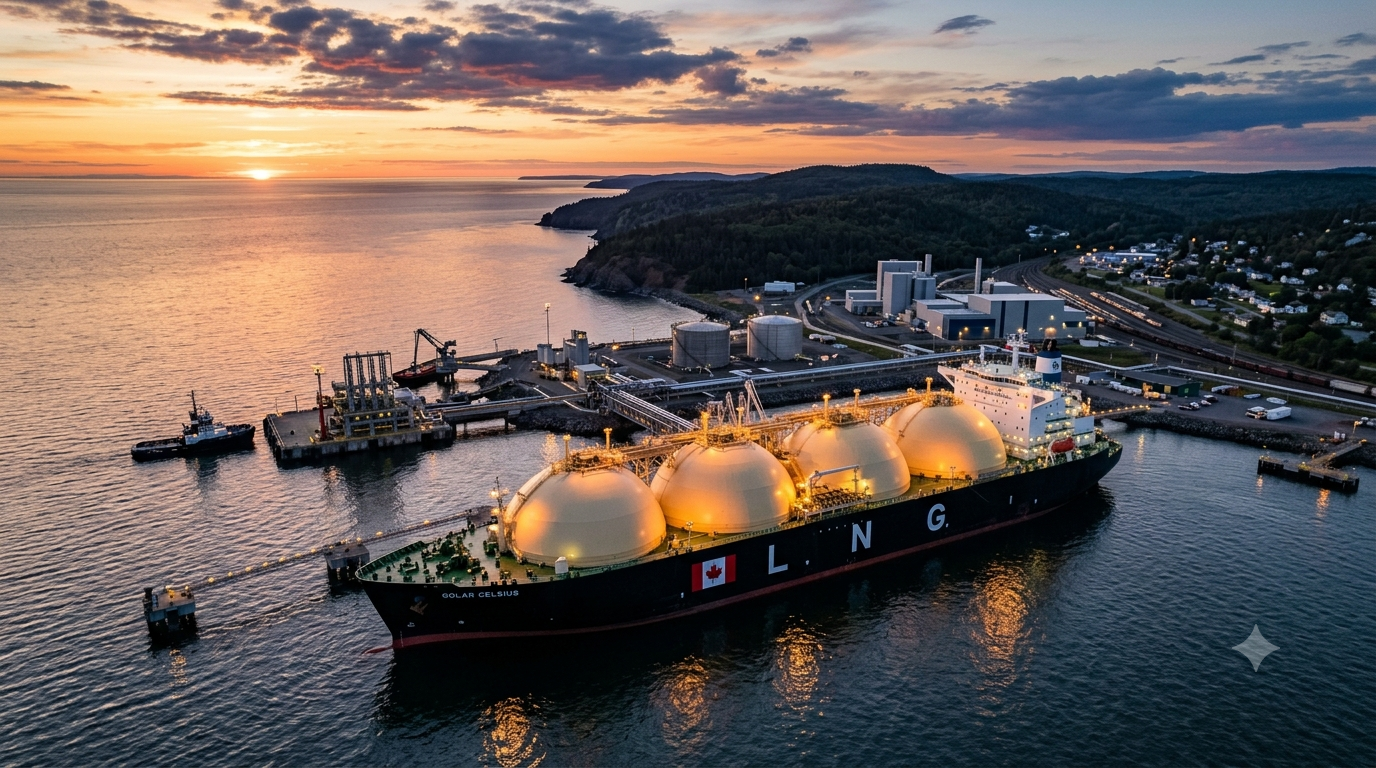
The most strategically significant energy development of the past week that has received insufficient investor attention is the discussion of Canada’s potential role in Europe’s energy security. BNN Bloomberg reported on September 18 that “Canada has the potential to bolster Europe’s energy security through a new alliance, but experts say it doesn’t necessarily mean tankers crossing the Atlantic Ocean laden with oil or LNG.” That nuanced framing is analytically important: the near-term pathway for Canada-Europe energy trade is not bulk crude LNG tanker flows across the Atlantic — those would require new infrastructure — but rather Canadian LNG and natural gas supply that replaces Russian pipeline volumes through the existing European import infrastructure that has been repurposed since 2022. Canada’s Trans Mountain Expansion and the potential B.C. coast pipeline are Pacific-focused; Canada’s east coast LNG potential is the untapped piece of the Europe story.
The energy sector’s September week is framed by three competing forces. Saudi pipeline partial restoration is reducing the immediate supply premium. The Fed’s hawkish dot-plot has strengthened the U.S. dollar, applying a modest commodity price headwind. And the Canada-Europe energy alliance discussion — however early-stage — represents a long-duration structural opportunity for Canadian natural gas and LNG exporters that investors are beginning to incorporate into their medium-term valuation frameworks.
What Happened
Oil eased for a third straight session as of Friday September 18’s close, with the TSX falling 0.2% and energy stocks participating in the broad-based losses. The Saudi East-West pipeline partial restoration signals — which first emerged on September 16 — have progressively reduced the supply-disruption premium embedded in crude prices since September 14’s peak. The Canadian dollar remained under pressure at approximately 71.70 cents US following the Fed’s September 16 rate hike. On September 21, Bank of Canada Governor Macklem warned in Halifax that U.S. trade policy unpredictability “could set back the recent progress by the Canadian economy” — language that implicitly acknowledges the trade war’s potential to slow the energy sector’s investment expansion plans by reducing cross-border capital flows and increasing regulatory uncertainty for cross-border pipeline projects. Canadian Natural Resources (TSX:CNQ) remains among the TSX’s most actively traded names, and Suncor Energy (TSX:SU) retains Morgan Stanley’s Overweight rating and 11% FCF yield framing. Enbridge (TSX:ENB) continues navigating the dual dynamics of its 32-year consecutive dividend growth record and the incremental bond yield competition that the Fed’s hike has introduced to regulated income names.
Why It Matters
The Three-Session Oil Decline Is a Price Normalisation, Not a Demand Destruction Signal
The sequential daily declines in oil following Saudi pipeline partial restoration progress represent price normalisation from an emergency premium rather than a sign that global energy demand is weakening. The supply-disruption premium — which had taken WTI from approximately US$82 pre-closure to above US$104 at peak — is unwinding as the supply risk it compensated for partially resolves. At WTI in the high-US$80s to low-US$90s range during this normalisation, Canadian oil sands producers continue to generate extraordinary free cash flow relative to their historical averages. The key analytical question is not whether the emergency premium is unwinding — it clearly is — but where oil settles structurally once the Saudi pipeline is fully restored. An ongoing U.S.-Iran conflict that keeps Hormuz under intermittent pressure should sustain a geopolitical risk premium above pre-conflict levels.
Also Read: Best long term Canadian stocks
Canada-Europe Energy Alliance Is a Long-Duration Strategic Catalyst Worth Beginning to Monitor
The BNN Bloomberg September 18 discussion of Canada’s role in Europe’s energy security is early-stage but analytically significant. Europe’s accelerated decarbonisation plans alongside energy security concerns have created an environment where Canadian LNG — if east coast liquefaction terminals were developed — could command premium pricing relative to North American domestic benchmarks. Canada’s east coast LNG potential has been studied for years without reaching final investment decision. The U.S.-Canada trade war, by reducing Canada’s economic dependence on bilateral U.S. trade, is creating political pressure to accelerate exactly these kinds of supply diversification projects. Investors tracking the long-duration Canadian energy thesis should begin monitoring any policy updates, FEED study announcements, or Indigenous partnership agreements related to east coast LNG export capacity.
Sector Breakdown
The Canadian energy sector on September 22 divides along the now-familiar hierarchy of oil price sensitivity. Integrated majors — Suncor and Cenovus — carry the most resilient earnings profiles through oil price normalisation because their downstream refining segments capture improved margins when crude input costs fall; at high-US$80s WTI, both companies continue generating exceptional free cash flow that supports ongoing buyback programmes. Pure-play oil sands producers — CNQ with its record 1.6 million boe/d Q1 production and Imperial Oil — are more directly sensitive to WTI but remain profitable across a wide price range given their low per-barrel operating costs. Midstream infrastructure — Enbridge and TC Energy — face the bond yield competition headwind most acutely, though their regulated cash flows and inflation-indexed contracts provide fundamental insulation from commodity price movements. The Canada-Europe energy alliance discussion most directly benefits east coast natural gas names and any future LNG export project developers.
Risks to Watch
A faster-than-expected Saudi pipeline full restoration — ahead of the originally estimated five-to-six-week timeline from the September 8 closure — would accelerate the unwinding of the remaining supply premium, potentially pushing WTI below US$85 before Q3 earnings reports capture the elevated prices of the September period. The October Fed hike — at elevated probability — would further strengthen the U.S. dollar, applying an additional modest headwind to USD-denominated commodity prices. Governor Macklem’s warning that trade policy unpredictability could “set back the recent progress” creates a business investment headwind for pipeline expansion projects that require cross-border regulatory clarity. The September 29 tariff expansion — now eight days away — keeps the trade war escalation dynamic active and could affect energy sector investor confidence through its impact on the broader Canadian economic outlook.
What to Watch Next
Saudi Aramco’s official production update on the East-West pipeline restoration timeline is the most important near-term energy data point. WTI price action around the US$85–90 range will signal where the normalised post-emergency supply premium settles. Any east coast Canadian LNG project announcements — regulatory filings, Indigenous partnership agreements, or Federal government support signals — would be the long-duration Canada-Europe energy alliance catalyst to watch. CNQ and Suncor Q3 earnings — expected in October — will quantify how the September oil price arc translates into actual financial results. The October 28 Bank of Canada rate decision will determine whether the BoC adds its own rate pressure to the existing U.S. rate differential.
Final Outlook
Canadian energy stocks enter September 22 with a more normalised but still fundamentally constructive commodity backdrop. The Saudi pipeline partial restoration is appropriately reducing the emergency premium that had briefly taken WTI above US$100, but it is not reversing the structural demand picture that supports oil at elevated levels relative to pre-conflict prices. The Canada-Europe energy alliance discussion, while early-stage, adds a long-duration strategic dimension to the Canadian energy investment thesis that extends well beyond the current quarter’s price dynamics.
The September pullback from the US$104 WTI peak provides an opportunity to assess whether the current level — wherever it settles through the Saudi restoration process — supports the investment thesis for each specific energy name at its current valuation. For integrated producers and oil sands operators with low break-even costs, the answer in most scenarios above US$75 WTI is affirmative.
Verdict: Cautiously constructive on Canadian energy names through the oil price normalisation. Integrated producers (Suncor, Cenovus) and pure-play oil sands names (CNQ, Imperial Oil) remain quality holds at current levels. Enbridge and TC Energy provide the most rate-resilient income exposure within the energy complex. Monitor Saudi restoration timeline and east coast LNG policy developments as the week’s key sector-specific watchpoints.
Sign Up For our Newsletters to get latest updates