

Table of Contents
- Market Context
- What Happened
- Why It Matters
- Sector Breakdown
- Risks to Watch
- What to Watch Next
- Final Outlook
Market Context
Understanding what actually moves the S&P/TSX Composite starts with understanding its composition, and Canada’s benchmark index looks quite different from its U.S. counterparts. Rather than being dominated by technology companies, the TSX Composite remains anchored by financials, energy, and materials, a structure that explains much of the index’s behaviour on any given trading day, including this week’s.
What Happened
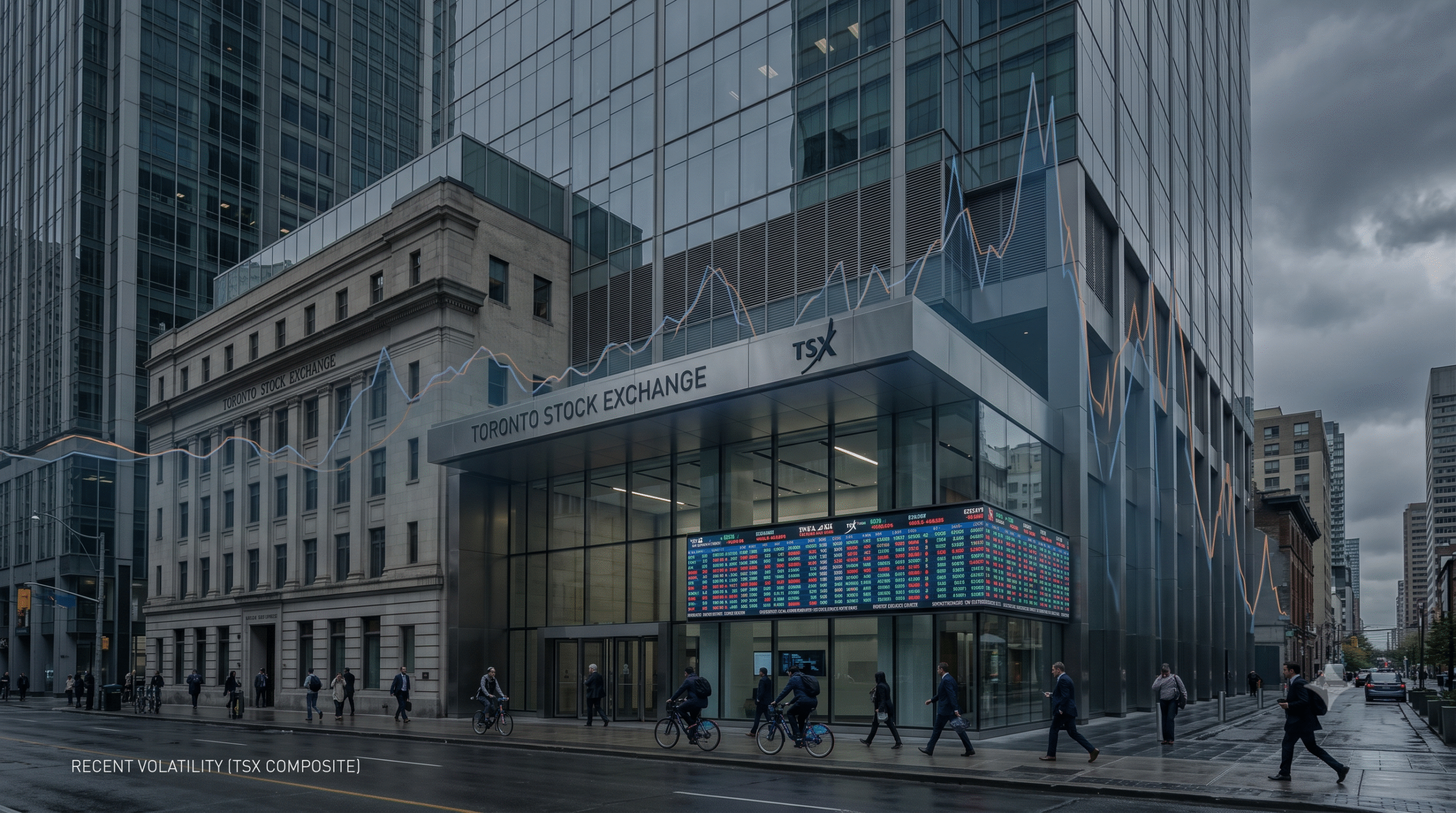
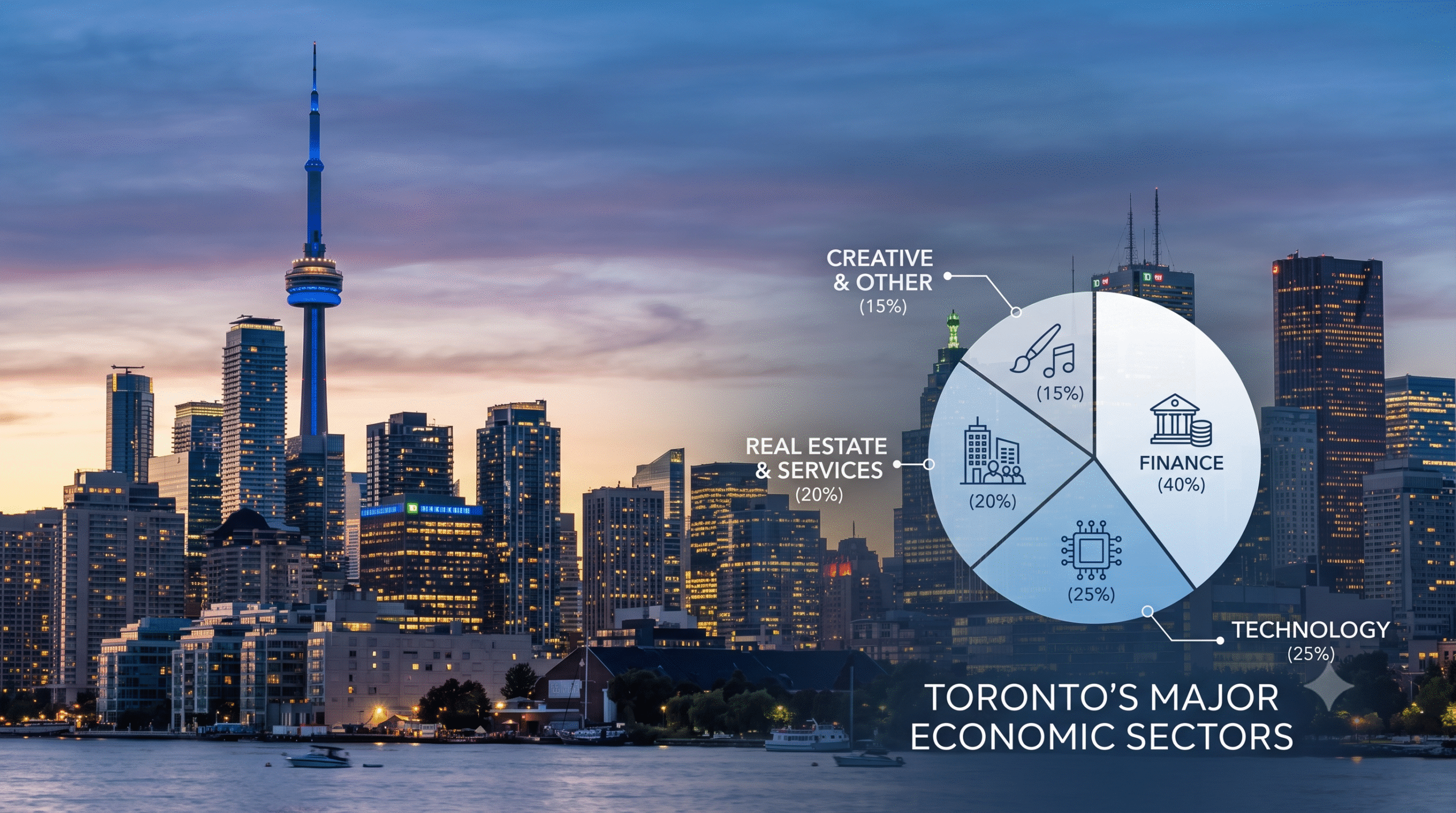
As of the most recent S&P Dow Jones Indices factsheet, financials account for roughly 36.2% of the TSX Composite, followed by energy at 16.4% and materials at 16.2%, meaning these three sectors together represent close to seven-tenths of the entire index. Industrials make up another 10.6%, while information technology, home to Shopify, accounts for 7.2%. The index’s top constituents by weight include Royal Bank of Canada and Toronto-Dominion Bank, followed by Shopify, Bank of Montreal, and Enbridge, with Bank of Nova Scotia, CIBC, Brookfield Corporation, Canadian Natural Resources, and Agnico Eagle Mines rounding out the top ten. That structure was on clear display Tuesday, when the index rose 1.2% to 35,369, driven by simultaneous strength in mining stocks, which tracked higher metal prices, and continued gains in energy stocks tied to elevated oil prices.
Also Read: Top Canadian tech AI stocks
Why It Matters
The TSX’s sector concentration means it behaves differently from broad U.S. benchmarks in important ways. With financials, energy, and materials together representing roughly 60% to 65% of the index, according to sector analysts, the TSX tends to track commodity price cycles and Canadian bank earnings far more closely than technology sentiment, a dynamic that has been evident throughout this month’s oil-driven volatility.
A handful of companies can move the entire index on any given day. With Royal Bank, TD, Shopify, BMO, and Enbridge alone representing a meaningful share of total index weight, company-specific news from any of these five names can shift the broader Composite even without a change in the underlying economic picture.
Sector Breakdown
Within financials, the Big Six banks dominate index weight, meaning quarterly bank earnings season tends to be one of the more significant recurring catalysts for the broader TSX. Within energy, Enbridge’s position as a top constituent reflects its role as North America’s largest natural gas utility by volume alongside its extensive pipeline network, while Canadian Natural Resources represents the sector’s production side. Within materials, Agnico Eagle’s inclusion among the top ten constituents underscores gold mining’s outsized role in Canadian equities, a dynamic reinforced this week by gold prices rallying on ceasefire hopes and lifting the broader materials sector.
Risks to Watch
The TSX’s concentration in financials, energy, and materials is itself a structural risk worth understanding: a downturn affecting any one of these three sectors simultaneously, whether from falling commodity prices, a banking sector stress event, or a broader economic slowdown, can weigh disproportionately on the entire index compared to a more diversified benchmark. The index’s comparatively lighter technology weighting, at 7.2%, also means Canadian investors seeking pure exposure to global technology and AI trends may find the TSX alone insufficient for that purpose. Currency movements between the Canadian and U.S. dollar add a further layer of complexity for investors comparing TSX returns to U.S. benchmarks.
Also Read: Safe investments for new investors
What to Watch Next
Investors should watch upcoming bank earnings season, given the Big Six’s outsized combined weight in the index. Continued oil and gold price trends will remain important given the energy and materials sectors’ substantial combined weighting. Shopify’s own results, due August 5, are also worth monitoring given the company’s position as the index’s largest single technology constituent.
Final Outlook
The TSX Composite’s structure, anchored heavily in financials, energy, and materials, explains much of why Canadian equities have moved so closely with oil and gold prices throughout this month’s volatility. Understanding this concentration is essential context for interpreting any single day’s index move, including this week’s gains.
Verdict: Neutral with selective opportunities, best understood through the lens of the index’s sector concentration.
Sign Up For our Newsletters to get latest updates