

Table of Contents
- Market Context
- What Happened
- Why It Matters
- Sector Breakdown
- Risks to Watch
- What to Watch Next
- Final Outlook
Market Context
Electric-vehicle investing has moved well beyond the simple growth story it once was. The sector now splits between companies that can show profit, cash flow and a credible technology edge, and those still asking investors to fund the transition. Tesla remains the bellwether, even as its shares have trailed much of the large-cap technology group this year. For Canadian investors, the exposure is often indirect. The TSX has little in the way of a pure-play automaker, so the theme tends to reach portfolios through materials, battery-related supply chains, industrial suppliers and U.S.-listed holdings.
Wednesday’s results brought the sector’s biggest name back into focus, along with a corporate-governance twist few investors had on their calendars.
What Happened
Tesla reported third-quarter results after the close on Wednesday that topped expectations, with adjusted earnings of 48 cents a share and revenue ahead of forecasts. The details were more mixed. Automotive revenue fell 3% from a year earlier to US$20.56 billion, total revenue was roughly flat against last year’s US$28.24 billion, and free cash flow dropped 62% to US$1.53 billion. Services and other revenue offset part of the decline.
The stock rose about 3.4% to US$386.53 in Wednesday’s regular session, then gave back gains and traded down roughly 2% to 3% after hours. Earlier in the week, Elon Musk told investors on SpaceX’s quarterly call that a merger between SpaceX and Tesla would be a good idea, and said both boards had formed special committees to discuss a possible tie-up. SpaceX shares rose about 7.8% on Wednesday after the company reported its first profit as a public company. Tesla shares are down about 14% this year, according to reporting on the results.
Also Read: Top Canadian tech AI stocks
Why It Matters
A beat does not settle the debate
The headline numbers cleared the bar, but a shrinking automotive line and sharply lower free cash flow keep the core question open: how much of Tesla’s valuation rests on vehicles, and how much on autonomy, energy and artificial intelligence? Investors are watching whether services and other businesses can keep offsetting auto weakness.
Merger talk adds uncertainty
Special committees do not guarantee a deal. Any combination would raise questions about valuation, governance and the treatment of minority shareholders, and the market may take time to price those unknowns.
Sector Breakdown
Tesla dominates attention, but it is not the whole sector. Traditional automakers are navigating the same demand and cost pressures, and General Motors shares slid about 7% on Tuesday after a full-year profit forecast disappointed, a reminder of how fragile margins remain across the industry.
Supply-chain and materials exposure matters more to many Canadian portfolios. Copper traded near US$6.54 a pound on Wednesday, and electrification demand remains a theme investors cite for metals and miners, although no specific battery-metal price data was available for this report. Charging infrastructure and utilities sit further along the chain, tied to adoption rates rather than quarterly vehicle sales. Elevated fuel prices, with Brent near US$109, could keep the economics of electric vehicles in the conversation.
Risks to Watch
Valuation risk remains central, since expectations for non-auto businesses are already substantial. Margin pressure, falling cash flow and pricing competition are real concerns. Governance risk has increased with merger discussions. Higher interest rates, including the possibility of a Bank of Canada hike next week, raise vehicle financing costs and could weigh on demand.
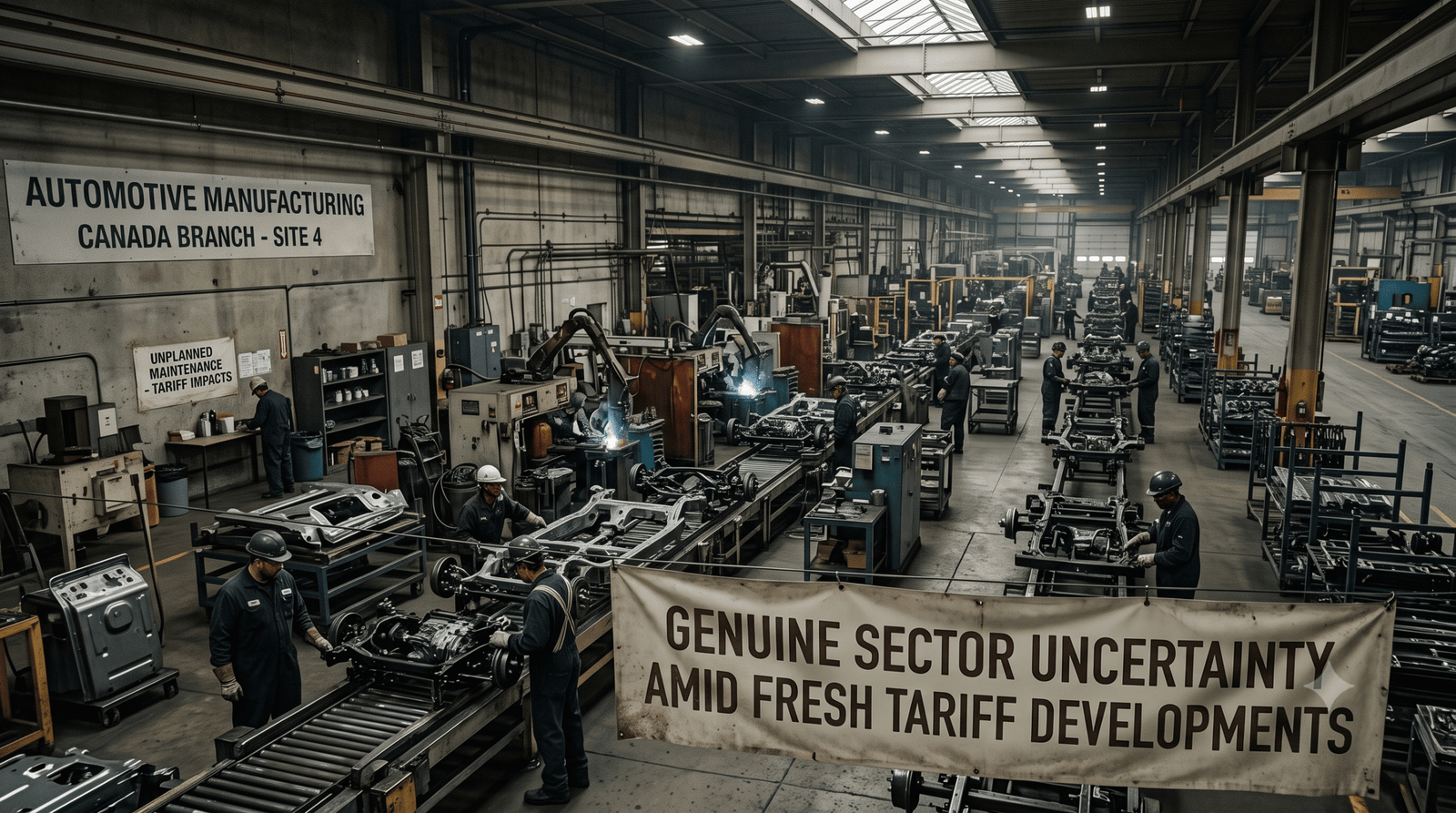
Policy and trade risks, including tariffs and shifting incentives, can also change the economics quickly.
What to Watch Next
Investors should watch how Tesla shares trade after the earnings reaction settles, any formal update from the special committees, and management commentary on autonomy and energy products. Delivery and registration data, battery-metal prices, auto-sector earnings and central bank decisions will shape the broader picture.
Final Outlook
Tesla’s quarter showed a company that can still beat estimates but is leaning on non-auto businesses while its core line shrinks. Combined with merger speculation, that makes the stock more of a debate about the future than a straightforward read on current vehicle demand.
For Canadian investors, the theme may be better approached through diversified exposure than through a single headline-driven name.
Verdict: Watchlist candidate, not a broad buy signal. Monitor free cash flow trends and any formal merger developments.
Sign Up For our Newsletters to get latest updates