

Table of Contents
- Market Context
- What Happened
- Why It Matters
- Sector Breakdown
- Risks to Watch
- What to Watch Next
- Final Outlook
Market Context
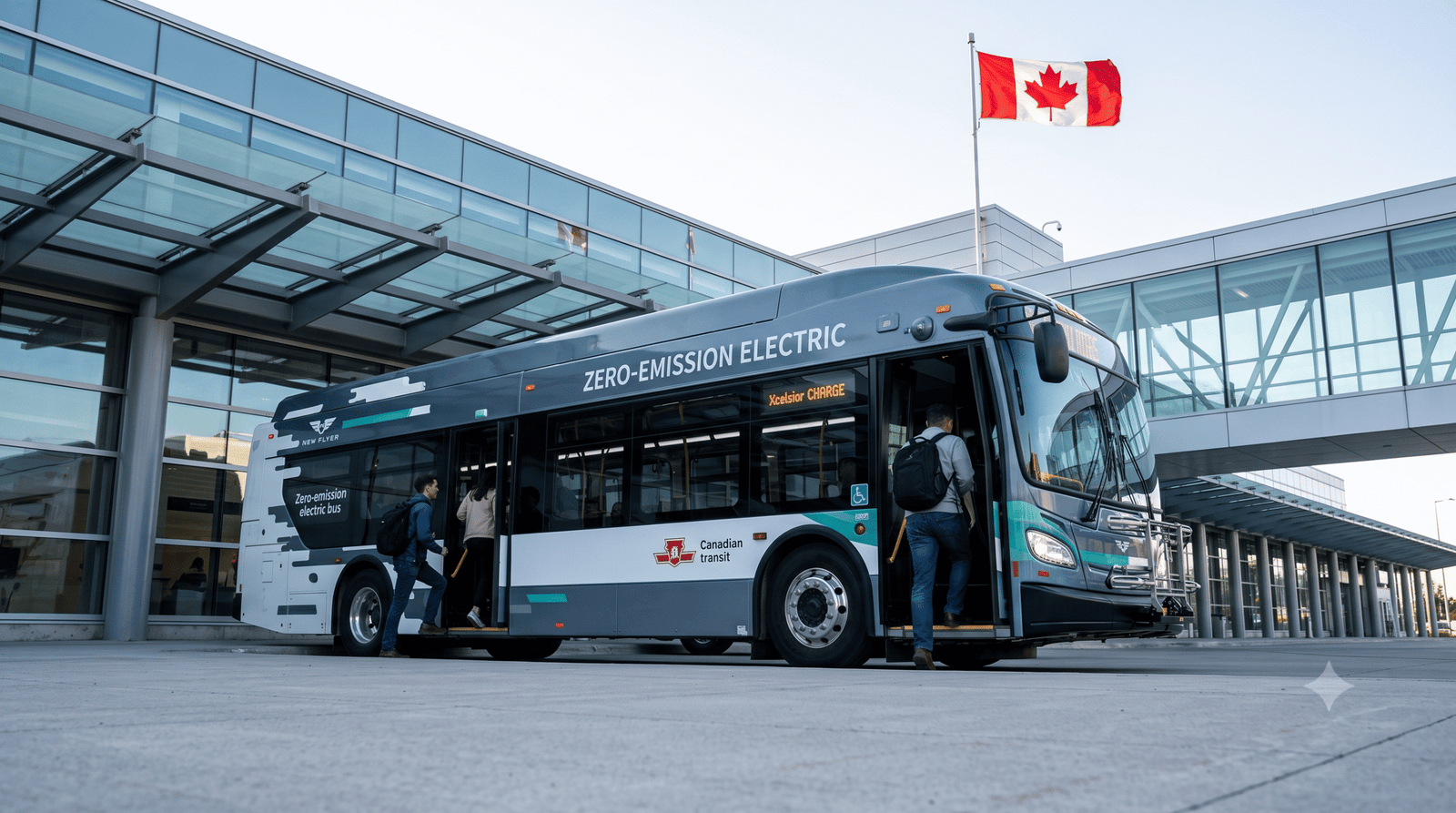
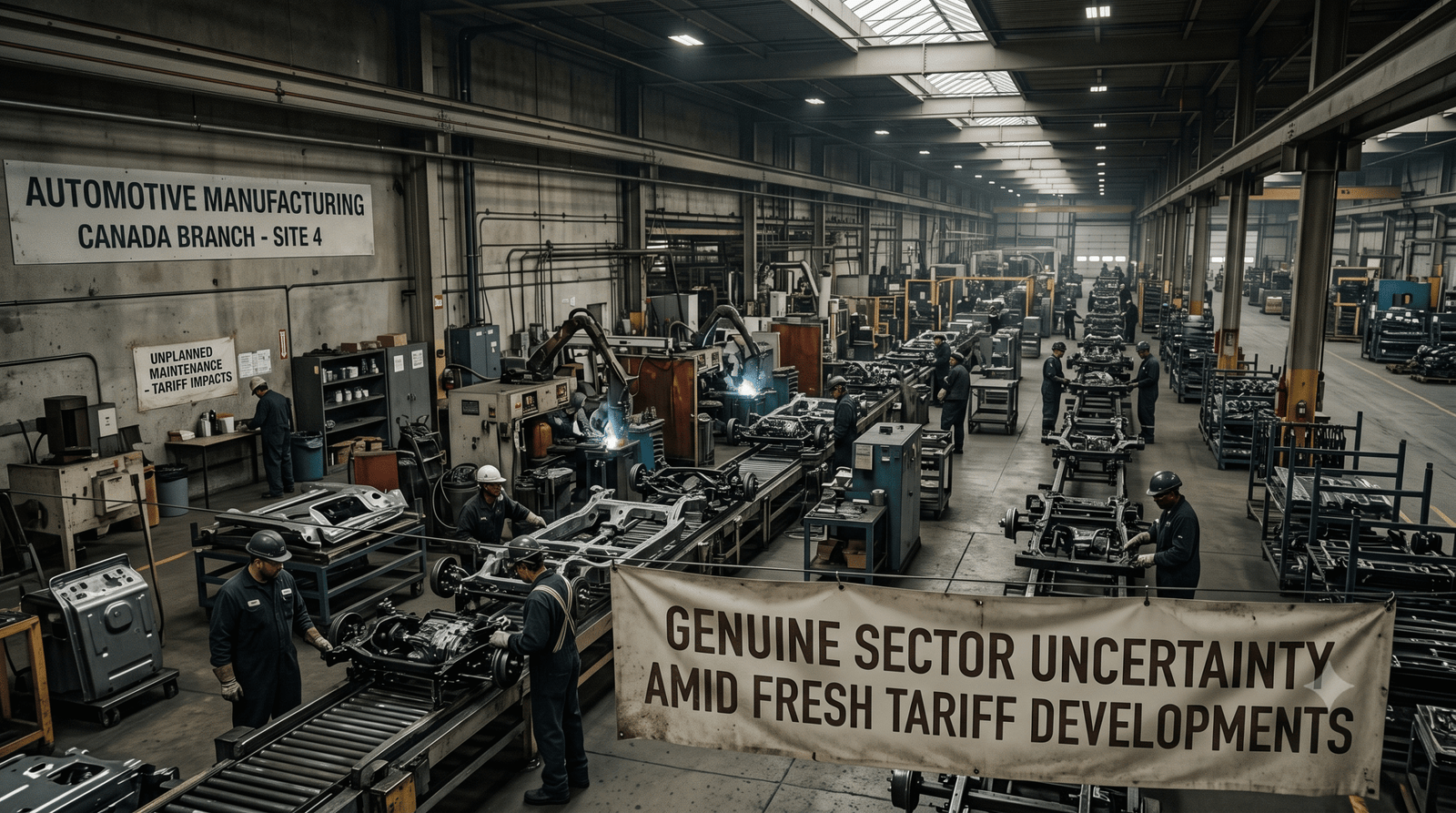
Canadian auto parts and mobility manufacturers, including major suppliers of EV components and battery enclosures, faced a genuinely difficult session Monday, as the collapse of Canada-U.S. trade talks and a fresh presidential threat to raise auto tariffs further compounded existing uncertainty across the sector.
What Happened
Manufacturers traded lower Monday after trade talks between the U.S. and Canada collapsed over the weekend, with Magna International losing nearly 4% and both BRP and Linamar down nearly 1.5%. The declines came after the U.S. imposed 50% tariffs on selected Canadian goods, including furniture, plastics, plywood, and electrical equipment, adding to existing tariffs on steel, lumber, and autos. Compounding the pressure, President Trump said Monday he would raise tariffs on Canadian autos, auto parts, and steel to 50% starting January 1, 2027, a threat that also sent shares of U.S. automakers General Motors and Ford lower. Prime Minister Mark Carney responded by suspending negotiations and vowing to retaliate with matching tariffs. Within the sector, analyst commentary has continued to favour Linamar over Magna, citing Linamar’s lower valuation multiple, greater diversification through its industrial and agricultural equipment business, and roughly $2 billion in available capital for potential acquisitions, given tariffs have put many auto suppliers in financial distress.
Also Read: Top Canadian tech AI stocks
Why It Matters
Trump’s specific threat to raise auto-sector tariffs to 50% starting in 2027, rather than immediately, gives companies a defined but still meaningfully compressed timeline to prepare, even as it introduces genuine long-term uncertainty for capital planning. For companies like Magna and Linamar with deep cross-border manufacturing integration, this kind of dated threat creates real pressure to accelerate supply chain diversification decisions that were previously being considered on a longer horizon.
Linamar’s relative resilience and analyst preference over Magna reflects genuine differences in business model diversification and balance sheet flexibility during this period of sector stress. With $2 billion in potential acquisition capital and a more diversified revenue base spanning agricultural and industrial equipment alongside automotive parts, Linamar appears better positioned to both weather near-term tariff pressure and potentially benefit from distressed competitor consolidation.
Sector Breakdown
Within auto parts and EV components manufacturing, Magna’s steeper decline reflects its greater relative exposure to pure automotive supply chains, including body structures, seating systems, and EV battery enclosures, compared to Linamar’s more diversified mobility and industrial segments. Linamar’s Mobility segment, supplying eAxles, driveline, and transmission components to both electrified and traditional vehicles, generates the bulk of its revenue, while its Industrial segment, focused on construction and agricultural equipment, provides genuine diversification away from pure automotive exposure. Martinrea International, another Canadian auto parts producer with deep U.S. and Mexican assembly plant exposure, sits similarly exposed to potential CUSMA renegotiation risk, though it remains profitable and continues returning cash to shareholders through dividends and buybacks.
Risks to Watch
The most significant risk across this sector is that Trump’s stated 2027 tariff timeline either accelerates or expands in scope before then, given how quickly trade policy has shifted throughout this year. CUSMA renegotiation, scheduled for next year, adds a further layer of structural uncertainty for companies with deeply integrated cross-border North American manufacturing footprints. Magna’s already thin 1.6% net margin and a recent US$1.1 billion one-off loss suggest the company has less financial cushion to absorb additional tariff-related cost pressure than some peers.
What to Watch Next
Investors should watch closely for any signs of renewed Canada-U.S. trade engagement, given how directly this weekend’s breakdown has affected sector sentiment. Continued details on the implementation and scope of Trump’s threatened 2027 auto tariffs will be important for companies’ longer-term capital planning. Upcoming CUSMA renegotiation developments next year will also remain a significant structural consideration for the entire Canadian auto parts sector.
Final Outlook
Canada’s auto parts and EV component manufacturers face a genuinely uncertain path forward, with this week’s trade talks collapse and Trump’s 2027 tariff threat both adding meaningful new risk to an already pressured sector. Investors should watch closely for signs of de-escalation given how directly these companies’ fortunes remain tied to the broader trade relationship.
Verdict: Watchlist candidates, not a broad buy signal, given the genuine and escalating uncertainty facing the sector.
Sign Up For our Newsletters to get latest updates