


Table of Contents
- Market Context
- What Happened
- Why It Matters
- Sector Breakdown
- Risks to Watch
- What to Watch Next
- Final Outlook
Market Context
Global markets enter this week on notably firmer footing after a genuinely volatile stretch that saw oil surge nearly 40% this month as conflict spread from the Strait of Hormuz to the Red Sea, dragging the TSX off a fresh record high and rattling technology stocks amid disappointing early megacap earnings. This morning brings the first credible sign of de-escalation in weeks, and markets are responding accordingly.
What Happened
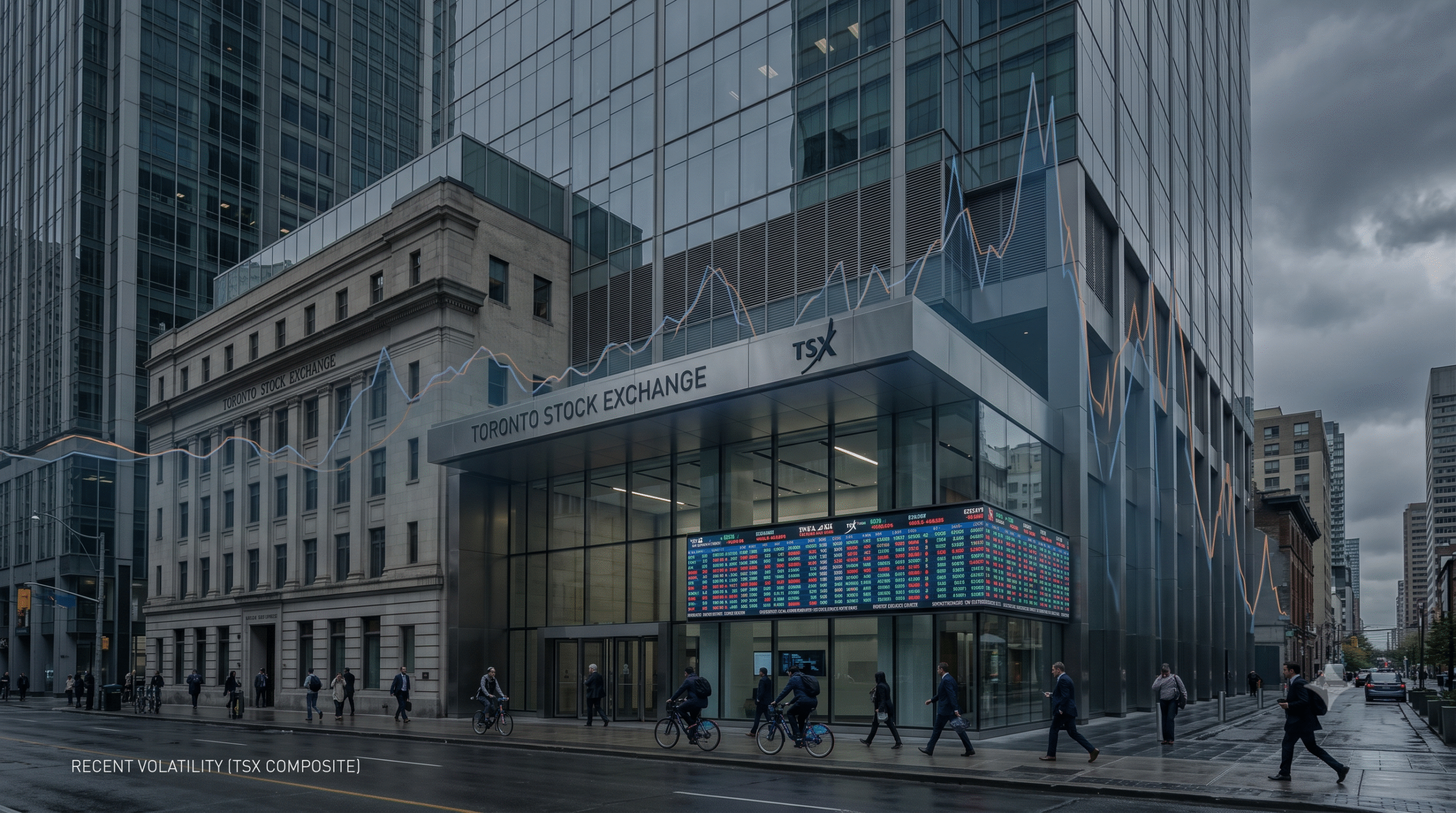
Crude oil declined toward $83 a barrel Monday, giving back a meaningful share of last week’s gains, after the United States and Iran halted strikes against each other over the weekend amid renewed efforts to revive diplomacy. The U.S. paused its attacks starting late Friday without any formal announcement, while Tehran said it had halted retaliatory strikes and engaged in talks with Oman regarding the Strait of Hormuz. President Trump was reported to be open to renewed peace talks. The pause follows a Friday session in which oil fell roughly 4% on profit-taking and reports that China had initiated a push, working through Pakistan as an intermediary, to revive stalled U.S.-Iran negotiations. Notably, the situation remains incomplete: Iran-backed Houthi forces in Yemen claimed responsibility for fresh attacks over the weekend on facilities associated with Saudi Aramco at the Red Sea ports of Jizan and Yanbu, a reminder that the broader conflict has not fully resolved even as the primary U.S.-Iran exchange has quieted. U.S. stock futures rallied sharply in response to the weekend pause, with Dow futures up 408 points, or 0.78%, S&P 500 futures gaining 0.87%, and Nasdaq 100 futures advancing 1.46%. European markets moved higher as well, with the STOXX 600 up 0.7%, Germany’s DAX adding 1.2%, and France’s CAC 40 rising 0.86%. On the TSX, Friday’s session already showed early signs of stabilization, with the index rising 0.50% to close at 35,369.10, recovering a portion of Thursday’s sharp pullback from its all-time high of 35,485.
Also Read: Stock investment Canada for beginners
Why It Matters
This weekend’s pause represents the first genuine de-escalation signal after weeks of steady conflict widening. Markets have spent the better part of a month pricing in an escalating, multi-front conflict, and any credible move toward diplomacy, even an informal, unannounced pause, gives investors reason to unwind some of the risk premium built into both oil prices and equity valuations.
The involvement of China as an intermediary via Pakistan adds a new and potentially significant dimension to the diplomatic picture. Reports suggesting Chinese officials are concerned about the economic impact of Gulf disruptions indicate that pressure toward a resolution may now be coming from multiple directions beyond just the U.S. and Iran themselves, which could improve the durability of any eventual agreement.
Sector Breakdown
For energy stocks, this morning’s oil price decline reverses a meaningful portion of the tailwind that had supported the sector through much of the past two weeks, and investors should expect this pullback to be felt most directly by producers with the greatest sensitivity to spot pricing. For technology and growth names, the broader risk-on tone accompanying this morning’s rally offers a potential reprieve after a difficult week driven by AI capital expenditure concerns following Tesla’s and Alphabet’s earnings, though the underlying spending questions raised by those results remain unresolved regardless of today’s geopolitical news. For the TSX broadly, a reduction in oil-driven volatility could allow the index’s underlying 2026 uptrend, which remains intact despite last week’s pullback, to reassert itself more clearly.
Risks to Watch
The most significant risk is that this weekend’s pause proves temporary, a pattern that has repeated multiple times throughout this conflict, including the fresh Houthi attacks on Saudi Aramco facilities that occurred even as the primary U.S.-Iran exchange quieted. This week’s heavy megacap earnings calendar, following last week’s spending-driven selloff in Tesla and Alphabet, could reintroduce volatility independent of how the geopolitical situation develops. The Federal Reserve’s meeting, concluding Wednesday, adds a further layer of uncertainty, with elevated oil prices earlier this month having already pushed some market participants to price in a greater chance of a hawkish surprise.
What to Watch Next
Investors should watch closely for confirmation of whether this weekend’s pause holds through the week, particularly given the unresolved Red Sea situation involving Houthi attacks on Saudi infrastructure. This week’s remaining megacap earnings reports will be closely watched for whether they extend or ease the AI spending concerns that emerged last week. Wednesday’s Federal Reserve decision is the week’s most significant scheduled catalyst, with markets likely to parse the accompanying commentary closely for how policymakers are weighing this month’s oil-driven inflation volatility.
Final Outlook
This week opens with genuinely improved sentiment following the first credible de-escalation signal in weeks, though the underlying situation remains fluid and only partially resolved. With a demanding earnings calendar and a pivotal Federal Reserve decision both landing in the days ahead, investors should treat this morning’s relief rally as encouraging rather than settled.
Verdict: Cautiously constructive, with this week’s Fed decision and continued ceasefire durability as the key swing factors.
Sign Up For our Newsletters to get latest updates