


Table of Contents
- Market Context
- What Happened
- Why It Matters
- Sector Breakdown
- Risks to Watch
- What to Watch Next
- Final Outlook
Market Context
Global markets absorbed a genuinely significant shock Thursday, as two largely unrelated developments, a geographic widening of the Middle East conflict and disappointing spending signals from major technology companies, combined to push oil prices to their highest level since late May and drag major equity indexes to multi-week lows.
What Happened
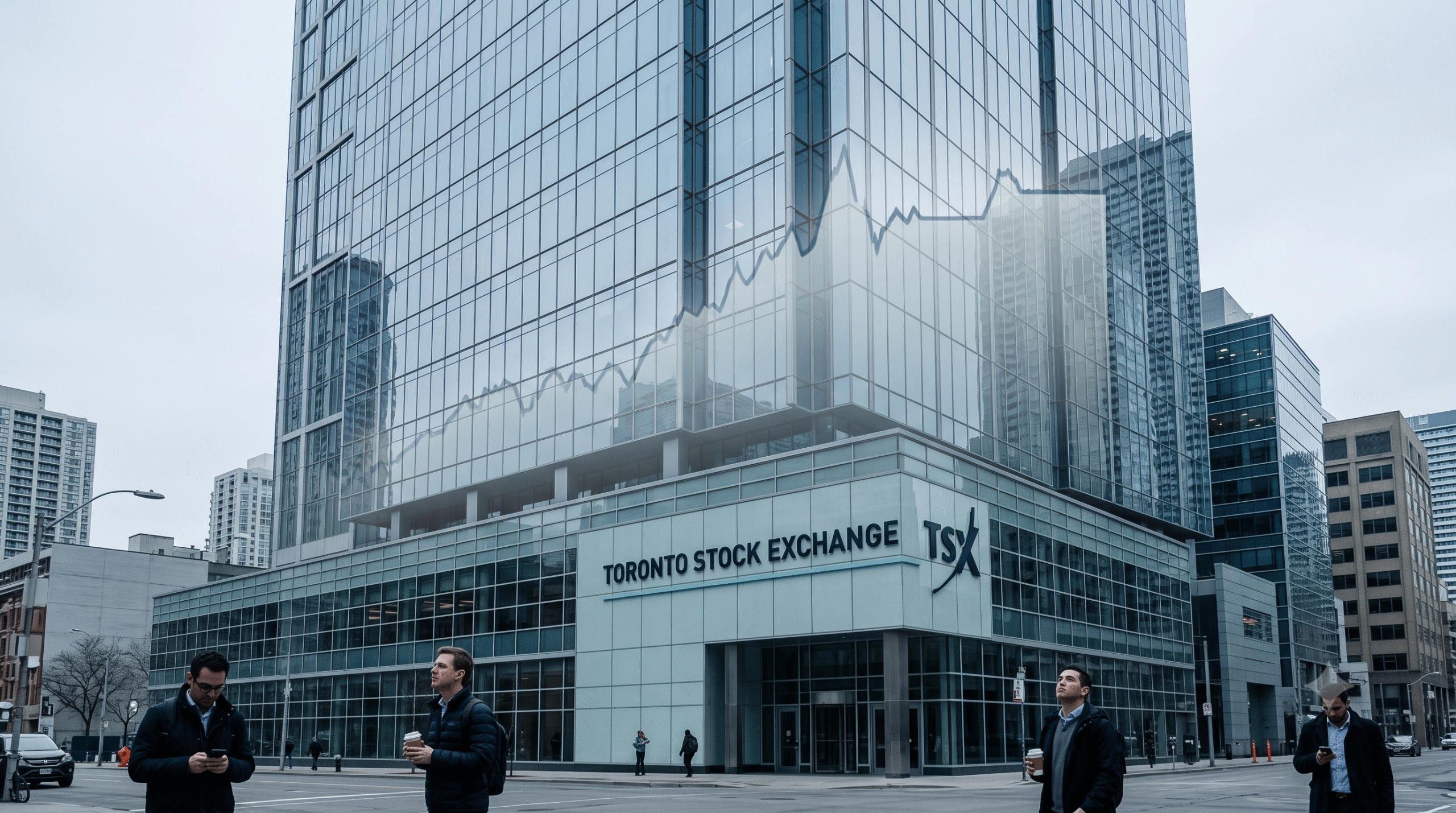
Brent crude surged 4.7% Thursday to $100.60 a barrel after Yemen’s Houthi militant group claimed attacks on two Saudi Arabian oil tankers in the Red Sea, opening a new front in the conflict beyond the Strait of Hormuz that has dominated headlines for much of the summer. President Trump responded by threatening major military punishment against Iran and the Houthis. The oil price surge revived inflation concerns, pushing U.S. two-year Treasury yields to a 17-month high. Simultaneously, second-quarter earnings from Tesla and Alphabet, the first of the “Magnificent Seven” megacaps to report this season, reignited concerns about artificial intelligence spending, with Tesla’s capital expenditures more than doubling year-over-year and Alphabet raising its 2026 capex guidance to as much as $205 billion. The combined effect pushed the Dow Jones Industrial Average down 0.97%, the S&P 500 down 1.21%, and the Nasdaq Composite down 2.15% Thursday, while Europe’s STOXX 600 index fell 1.3% to 638.5, its steepest one-day drop in more than two weeks. Canada’s TSX Composite fell 0.82% to 35,193, a day after touching a fresh record high.
Why It Matters
The widening of the conflict to a second major shipping chokepoint changes the calculus for how long elevated oil prices might persist. With both the Strait of Hormuz and now the Red Sea affected by escalating tensions, analysts have suggested that a broader disruption to global shipping routes could sustain higher oil prices for longer than a single, contained flashpoint would.
The AI spending story adds a second, independent source of pressure on markets already absorbing oil-driven inflation concerns. Thursday’s combination of rising bond yields, driven by oil prices, and falling technology valuations, driven by capital spending concerns, created a genuinely difficult environment for equity markets broadly, regardless of individual sector exposure.
Sector Breakdown
On the geopolitical front, the Red Sea attacks represent a meaningful escalation beyond the Strait of Hormuz conflict that has shaped markets for much of the year, with direct implications for global oil supply chains and, by extension, inflation trajectories on both sides of the border. On monetary policy, rising Treasury yields following Thursday’s oil price surge could complicate the path forward for both the Federal Reserve and the Bank of Canada, particularly if elevated energy costs feed more persistently into broader inflation readings. On corporate earnings, this week’s disappointing reaction to Tesla’s and Alphabet’s results signals a market becoming more discerning about how it evaluates AI-related capital spending across the remainder of this earnings season.
Risks to Watch
The most significant risk is further escalation in the Middle East conflict, particularly given the Trump administration’s stated threat of military action following Thursday’s tanker attacks. A continuation of this week’s disappointing technology earnings pattern, as more megacap companies report in the coming weeks, could extend pressure on equity markets well beyond Thursday’s initial reaction. Persistently elevated oil prices feeding into broader inflation expectations could also complicate central bank policy decisions on both sides of the border in the months ahead.
Also Read: Stock investment Canada for beginners
What to Watch Next
Investors should watch closely for further developments in the Red Sea situation and any confirmed U.S. military response to Thursday’s attacks. Continued megacap earnings reports over the coming weeks will offer additional signals on whether this week’s AI spending concerns represent a broader trend. Bond yield movements, following this week’s rise to a 17-month high for U.S. two-year Treasuries, will also be an important gauge of how markets are pricing the combined oil and inflation risk going forward.
Final Outlook
Thursday’s session reflected the rare collision of two significant, largely independent shocks, a widening geopolitical conflict and a reassessment of AI infrastructure spending, that together produced one of the more difficult trading days global markets have seen in recent weeks. With both stories still actively developing, continued volatility across equity, bond, and commodity markets looks likely in the near term.
Verdict: Neutral, highly data-dependent, with today’s developments adding meaningful uncertainty on multiple fronts simultaneously.
Sign Up For our Newsletters to get latest updates